Get Involved
There are many ways to help the cause. Scroll below to learn more about ways you can get involved.
There are many ways to help the cause. Scroll below to learn more about ways you can get involved.
America’s wild horses and burros need people willing to donate their time in a variety of ways. Tasks may include documenting and taking notes on wild herds, observing roundups, performing organizational and educational work across the country, volunteering to serve as PZP Darters, and more!
If you are interested in volunteering with TCF or would like to learn more, please fill out our volunteer form. You may also contact TCF Executive Director, Kerry Ferguson, at kerry@thecloudfoundation.org
You can help save America’s shrinking wild horse and burro populations by calling, emailing, or writing your Congressional Representative and US Senators.
Your votes and voices matter! Just 10 calls or messages in one day can make a difference. When you email, always ask for a response, and always be polite.
These officials make or influence policy.
Find your Senators and Representatives: https://www.usa.gov/elected-officials
President Trump: whitehouse.gov | 202-456-1111 (White House comment line)
Vice President Vance: whitehouse.gov | 202-456-1111
Secretary of the Interior, Doug Burgum:
exsec_exsec@ios.doi.gov | 202-208-7351(DOI Executive Secretariat)
BLM Deputy Director, Policy and Programs, Michael D. Nedd: 202-208-3801
Secretary of Agriculture, Brooke L. Rollins: 202 720-2791 (Office of the Secretary)
Alt: 202-720-7100 (Executive Secretariat)
House Natural Resources Committee
United States House Committee on Natural Resources
Oversees public lands, the Bureau of Land Management, and implementation of the Wild Free-Roaming Horses and Burros Act.
Chair: Bruce Westerman | Phone: 202-225-2761
Committee Website: https://naturalresources.house.gov
Email contact form: https://naturalresources.house.gov/contact
Senate Energy and Natural Resources Committee
United States Senate Committee on Energy and Natural Resources
Oversees federal land management agencies including the BLM and USFS.
Chair: Mike Lee | Phone: 202-224-4971
Committee Website: https://www.energy.senate.gov
Contact form: https://www.energy.senate.gov/public/index.cfm/contact
House Natural Resources Subcommittee on Federal Lands
Handles legislation affecting BLM and public lands, including wild horse policy.
Chair: Tom Tiffany | Phone: 202-225-3365
Manage Wild Horses and Burros on the range, which has a much smaller price tag for the American taxpayer
Use the fertility vaccine PZP to balance mortality and reproduction
Protect predators in Bureau of Land Management Herd Management Areas and Herd Areas
Reduce or eliminate livestock grazing on lands managed for wild horses
Understand the Real Costs of Livestock Grazing. Read BLM and USFS livestock grazing stats: Examining key data in the debate over wild horses on western public lands
Restore the millions of acres of lost wild horse and burro rangeland
Enlist volunteers to monitor, document, and help administer fertility control to herds on the range
Provide adequate shelter for all horses in holding facilities
Return wild horses in BLM Short Term Holding to repatriated Herd Management Areas and Herd Areas
Stop helicopter roundups. Use bait trapping or darting for application of PZP where needed.
Wild free-roaming horses and burros are living symbols of the historic and pioneer spirit of the West; they contribute to the diversity of life forms in America and enrich the lives of the American people

Below, you'll find the latest action alerts from The Cloud Foundation. These are areas where we could use your immediate help!
BLM could remove hundreds of wild horses from the Pokegama HMA along the Oregon–California border, reducing the herd to just 30 animals while authorizing stallion castration and GonaCon fertility control. Help protect this genetically vulnerable herd. Speak up before October 16!
BLM is preparing a new long-term management plan for Utah's genetically vulnerable Range Creek wild horses. With an AML of just 75–125 horses and GonaCon on the table, this isolated herd's future is at risk. Speak up by September 2.
BLM's latest proposal would reduce the Eagle Complex to just 145–265 wild horses while authorizing livestock grazing equivalent to more than 2,600 year-round cattle. Public comments are due July 27.
BLM proposes removing nearly 1,800 wild horses from Wyoming's Red Desert Complex while introducing stallion castration, fertility control that could permanently sterilize mares, and artificial sex-ratio manipulation. Tell BLM to choose science-based, humane management instead.
BLM is preparing its first nationwide Programmatic EA for wild horse and burro roundups, removals, sterilization, and population control. Public comments are due July 2.
Accountability. Documentation. Solidarity. It is incredibly important for public observers to be present at BLM roundups of wild horses and burros to exercise our Constitutional rights, document abuse and hold BLM accountable.
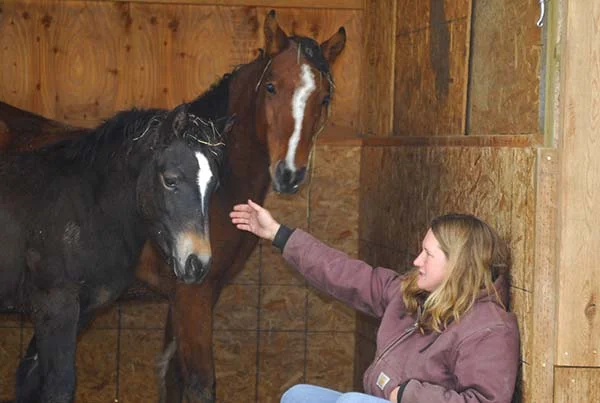
If you attend an adoption for wild horses or burros - thank you! We hope that you will consider taking one home with you. Here are some helpful tips to remember when attending an adoption:
Planning a visit to wild horse country? Below, you'll find a few tips to remember:



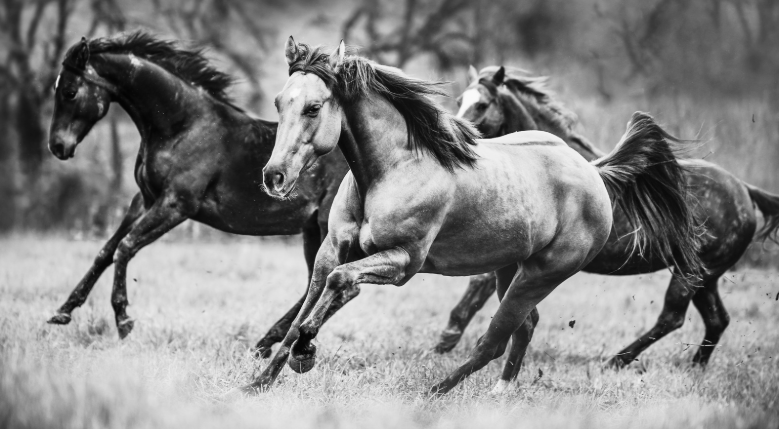
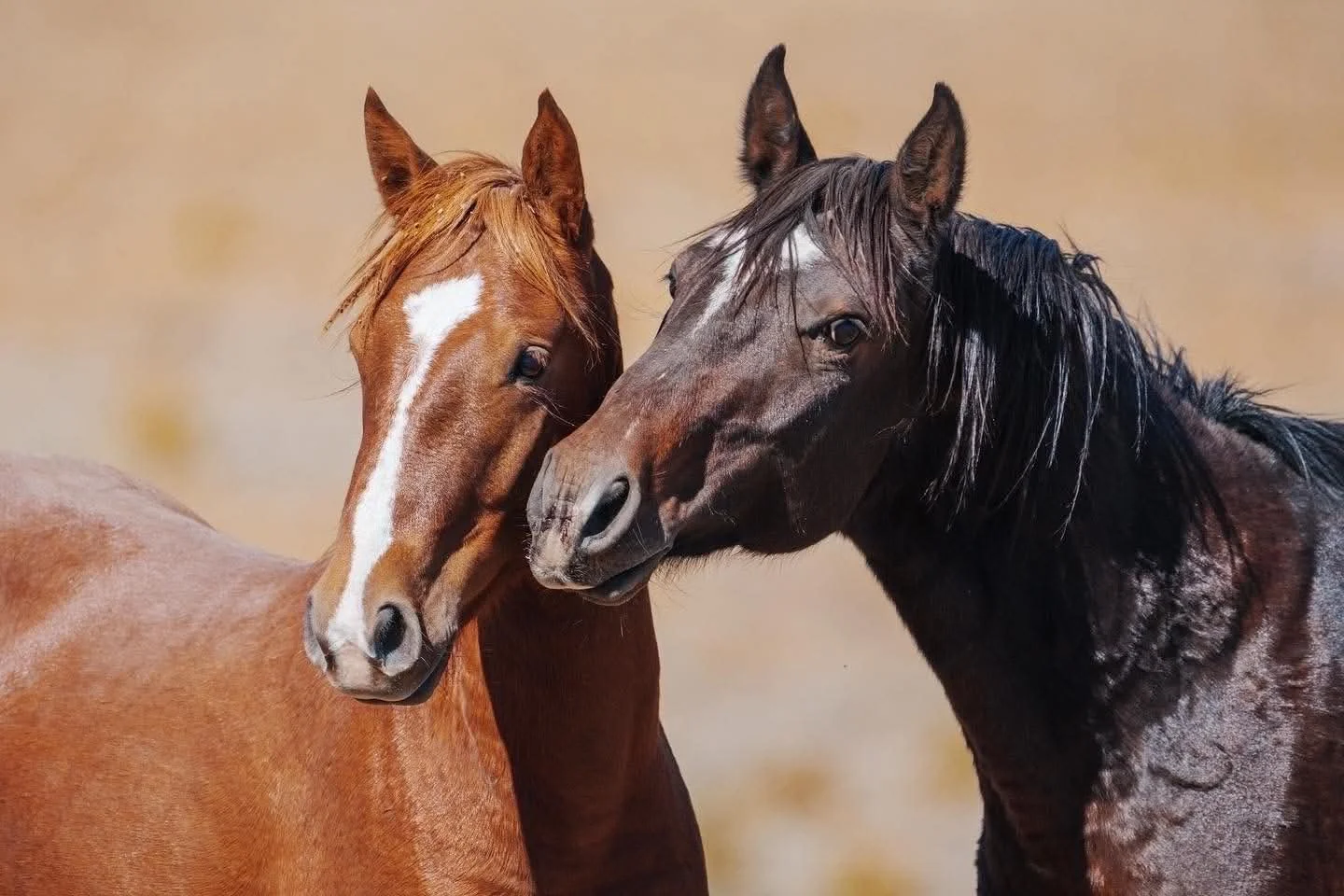
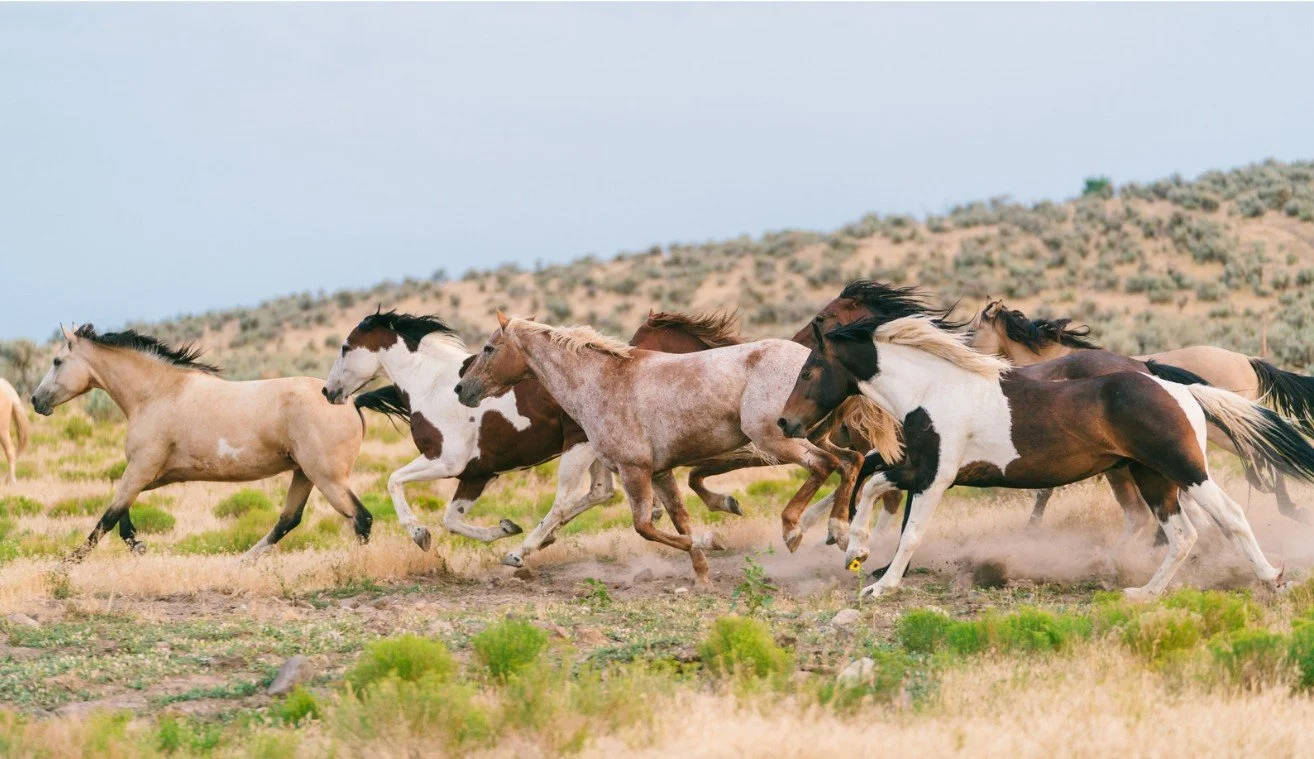
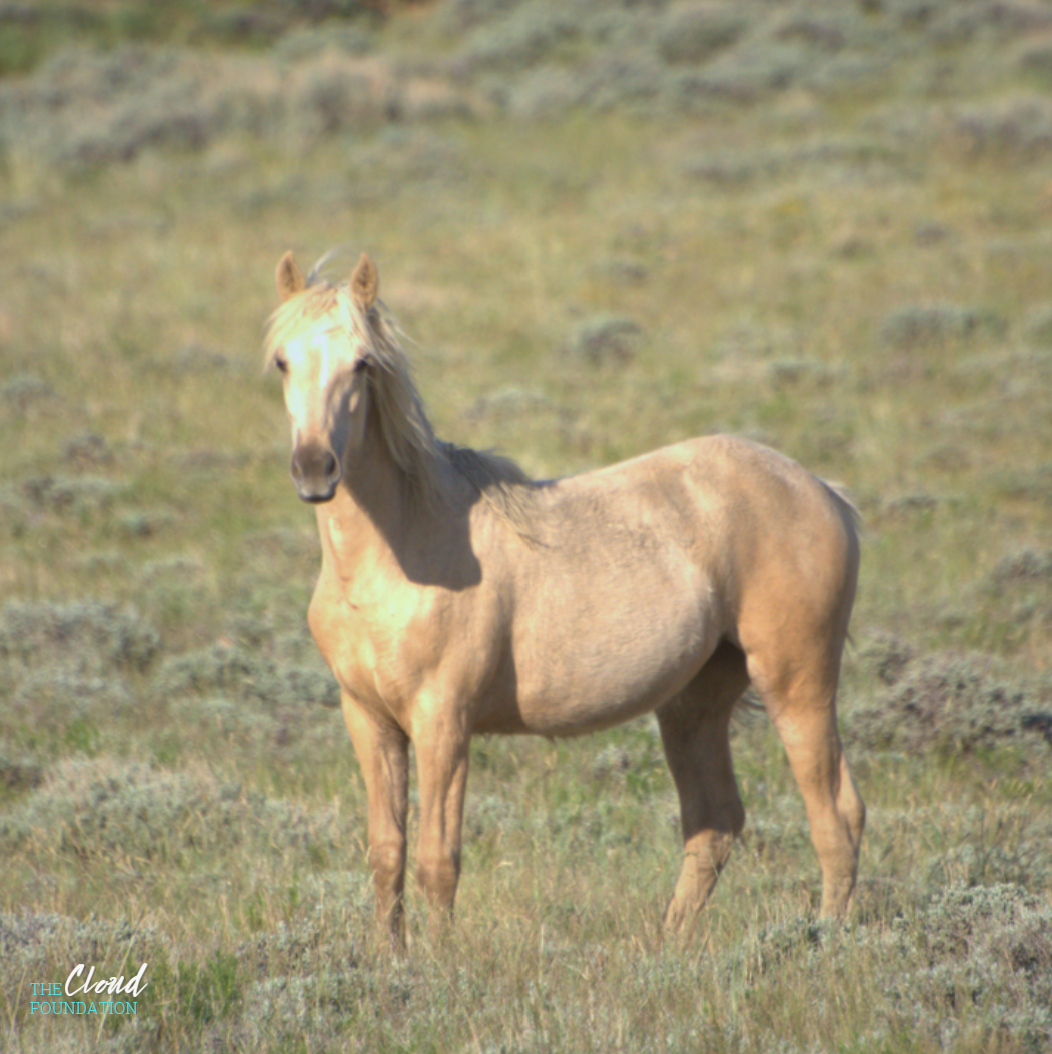
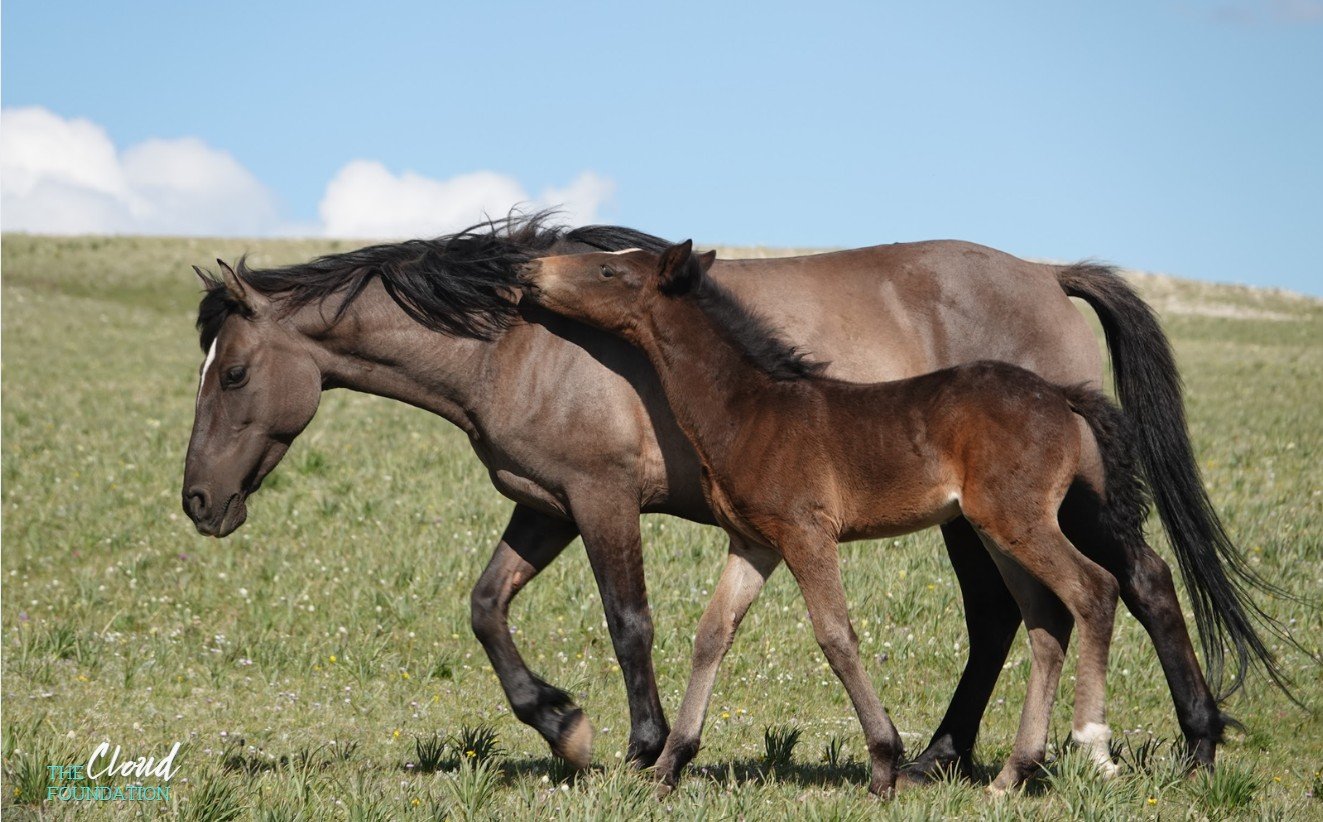
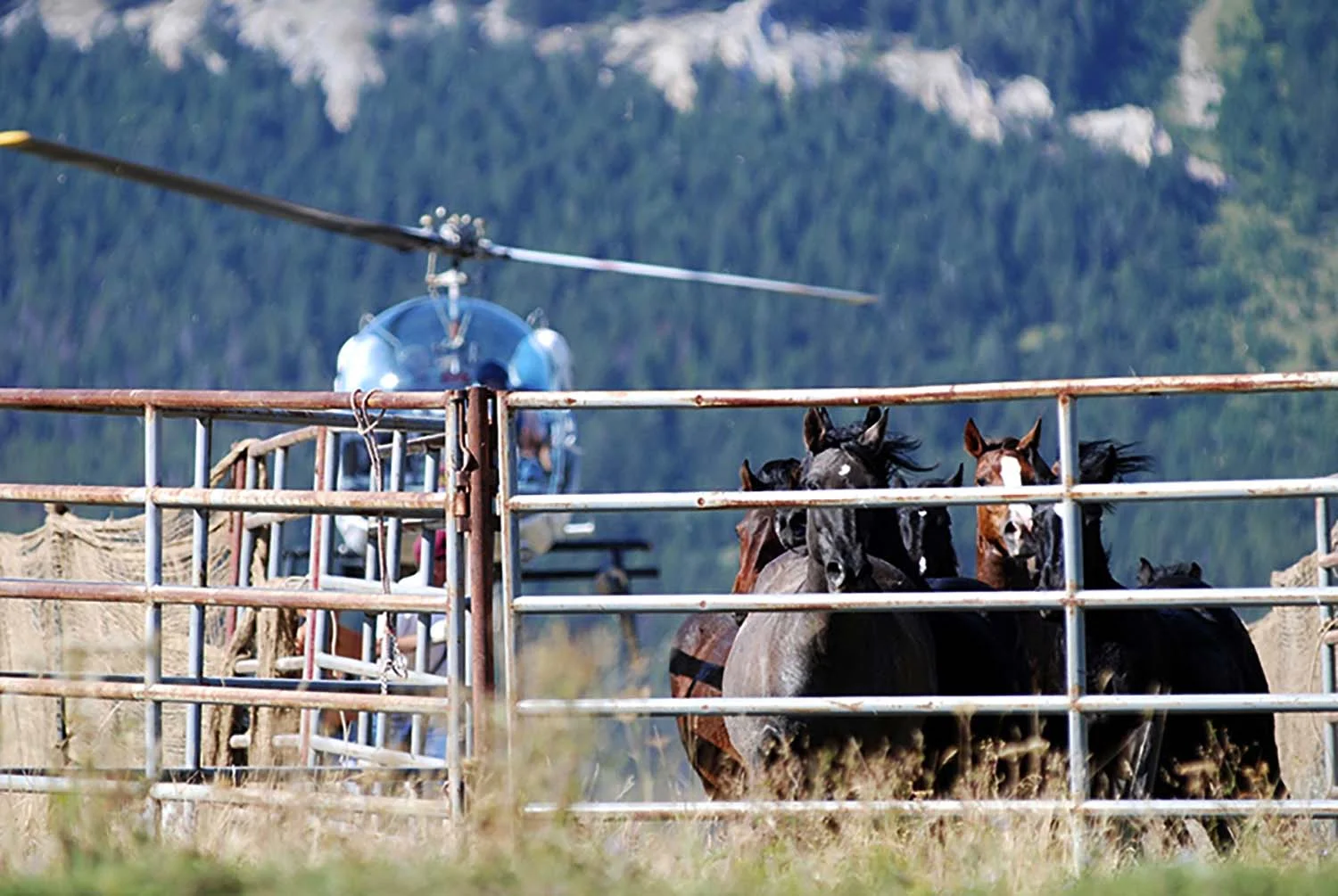
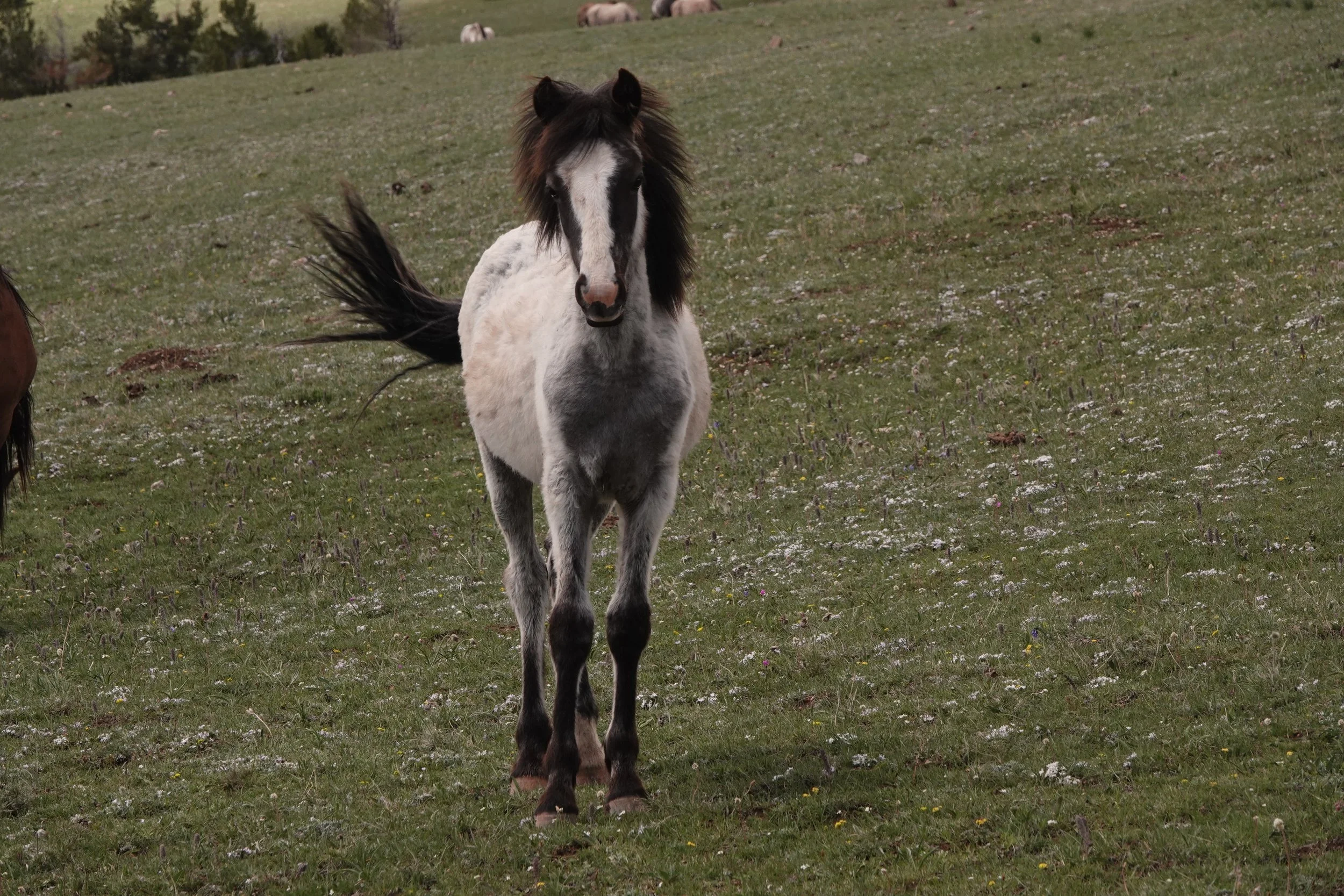
BLM wants to reduce Utah's Muddy Creek herd to just 75 wild horses across 283,000 acres—while hundreds of cattle continue to graze these public lands. Speak up by August 5.