
Nine Wild Horses Shot in Arizona’s Heber Wild Horse Territory — Investigation Underway
Heber Wild Horses Targeted… Again
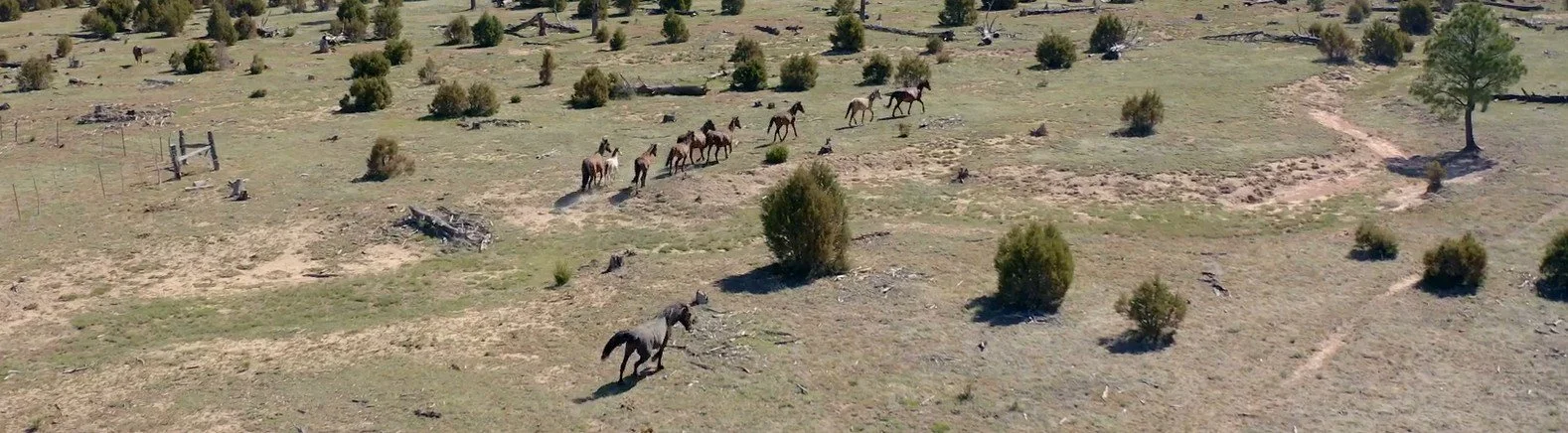
Heber wild horses in Arizona’s Apache–Sitgreaves National Forest. Members of this protected herd have been repeated targets of illegal shootings over the years. Photo © Prohibition Films
Nine protected wild horses were found shot and killed in late January in Arizona’s Heber Wild Horse Territory, located within the Apache–Sitgreaves National Forest and managed by the U.S. Forest Service (USFS).
This is not the first time members of this small, isolated herd have been illegally shot.
The repeated killing of federally protected wild horses is a crime. Those responsible must be identified and prosecuted.
What We Know
According to available information:
The horses were discovered deceased on Forest Service land.
Necropsies were conducted to confirm cause of death.
Following the investigation, the horses were buried.
The U.S. Forest Service is treating the case as a criminal investigation.
A reward is being offered for information leading to the arrest and conviction of those responsible.
Anyone with information is encouraged to contact the Navajo County Sheriff's Office tip line: 928-524-9908. Tips may be submitted anonymously.
The Heber Wild Horse Territory encompasses approximately 20,000 acres near Heber-Overgaard in Navajo County, Arizona. While smaller than many Herd Management Areas overseen by the Bureau of Land Management, it is home to a long-established and culturally significant population of wild horses.
For a herd of this size, the loss of nine animals is significant.
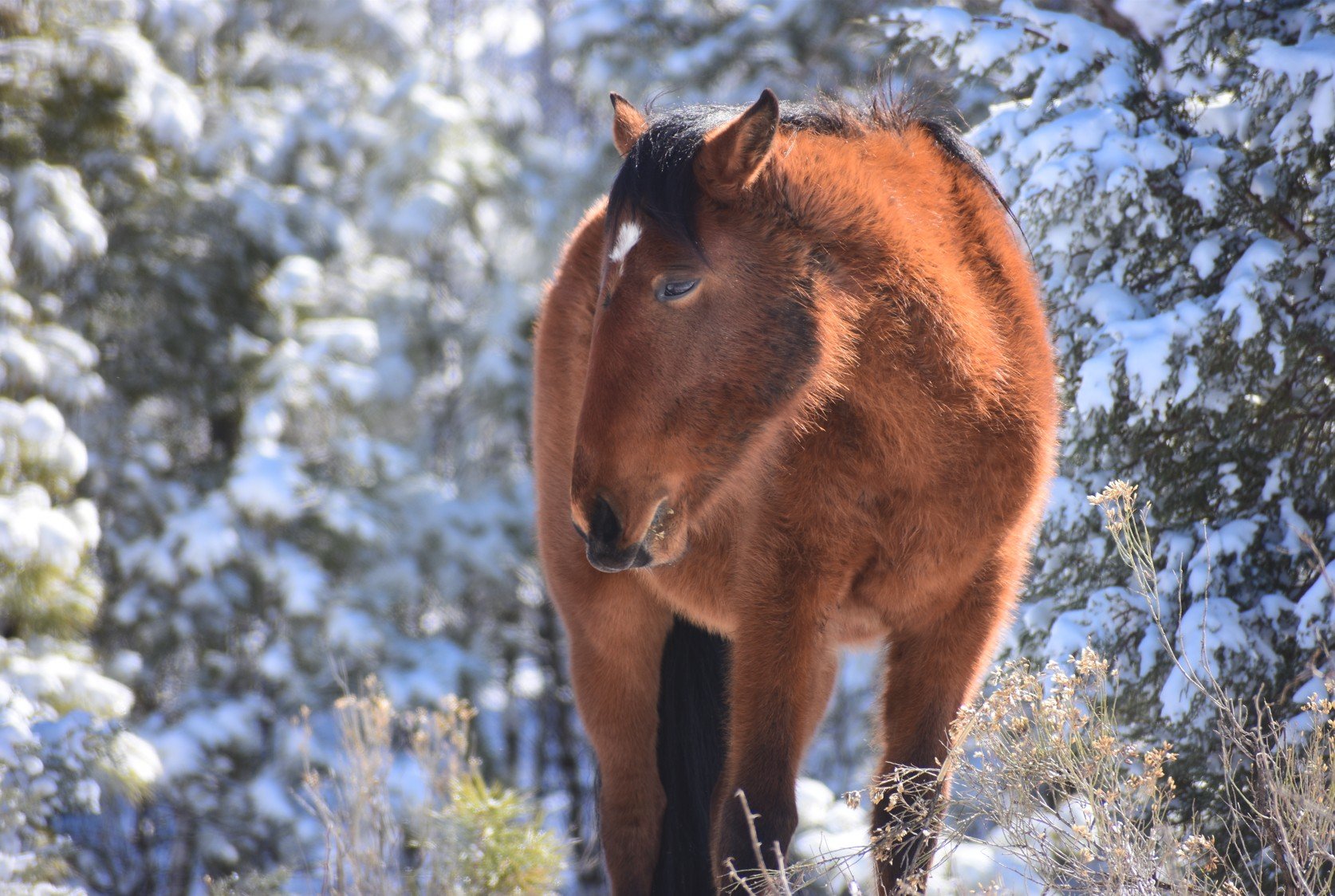
A Small Herd With Little Margin for Error
Small, geographically isolated herds like this face unique vulnerability. Beyond natural challenges such as drought, predation, and harsh winters, human-caused losses can have outsized impacts on:
Genetic diversity
Long-term viability
Population stability
When populations drop too low, recovering genetic health becomes increasingly difficult.
That reality makes intentional killings not only tragic but potentially destabilizing for the herd’s future.
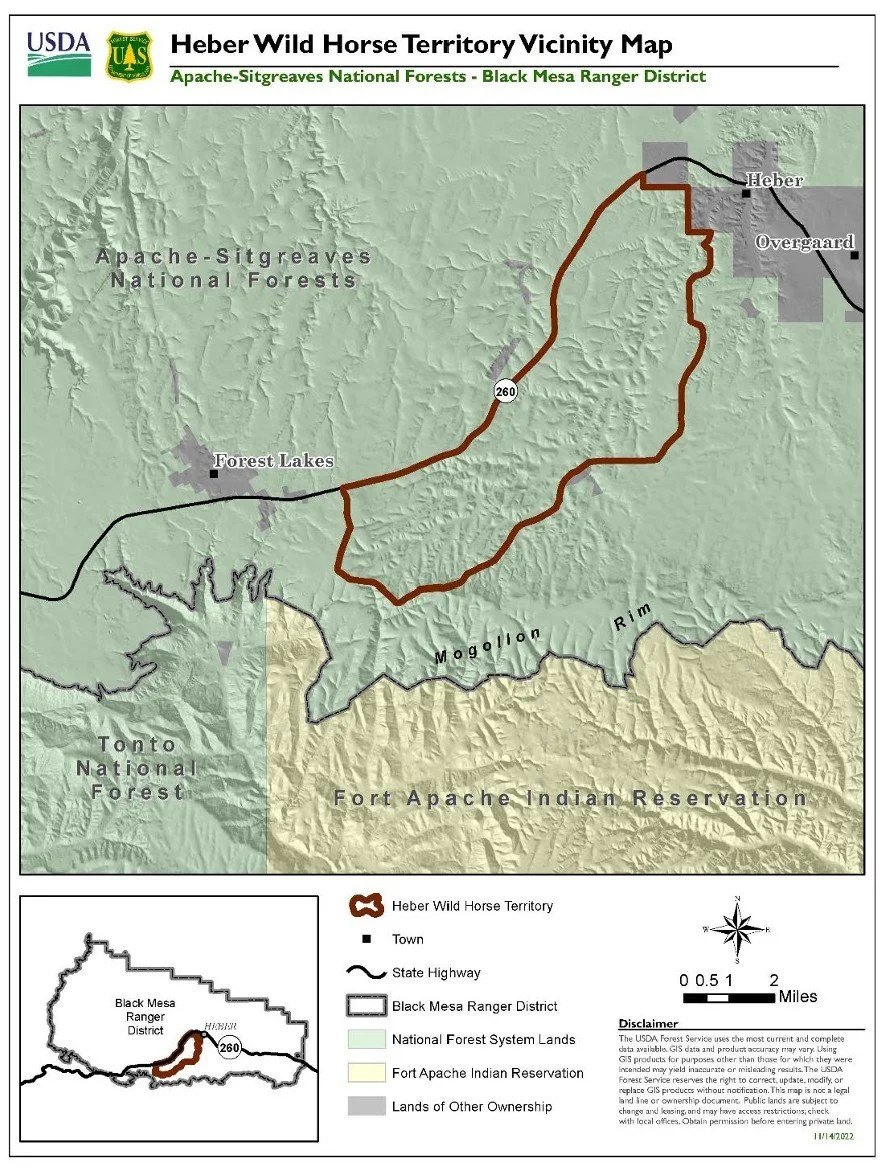
Heber Wild Horse Territory vicinity map - USFS
New Management Plan Finalized — Roundups Could Begin as Early as March
The U.S. Forest Service has finalized the Heber Wild Horse Territory Management Plan, which establishes an Appropriate Management Level (AML) of 50–104 horses for the 19,700-acre territory.
If the population exceeds the upper limit of 104 horses, the Forest Supervisor may determine that “excess horses” exist and authorize removals to return the herd to AML.
According to the decision, removal methods may include bait trapping as the primary technique, with helicopter roundups authorized if bait traps are ineffective.
A roundup could begin as early as March, depending on agency planning and conditions.
According to the Decidion Record, horses removed from the territory may be:
Offered for adoption
Offered for sale with limitations
Relocated to another territory (a rarity) or long-term holding facility
Or humanely euthanized if sick, lame, or old
For a small and geographically isolated herd, managing toward the lower end of the AML leaves limited margin for natural mortality, drought, or genetic concerns — not to mention criminal acts such as the recent shootings.
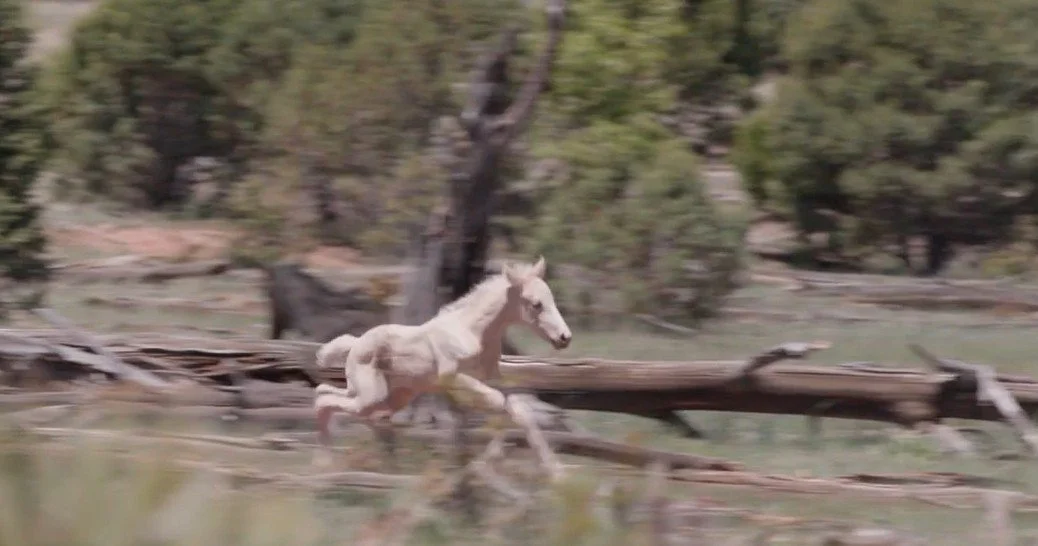
Palomino foal in the Heber Wild Horse Territory - Photo © Prohibition Films
Moving Forward
We appreciate that the U.S. Forest Service is pursuing a criminal investigation and offering a reward. Accountability is essential.
At the same time, management decisions must recognize how fragile small, isolated herds truly are — particularly when they face threats beyond natural causes.
The Cloud Foundation will continue monitoring both:
The ongoing criminal investigation
Implementation of the newly issued management plan
We will provide updates as more verified information becomes available.
Wild horses are protected under federal law. They deserve both responsible management and protection from harm.
Incidents like this are deeply troubling — but they also underscore why vigilance, accountability, and thoughtful management matter.
How You Can Help
1️⃣ Share Information
If you have any knowledge related to the shooting of these horses, please contact the Navajo County Sheriff's Office tip line. Tips may be submitted anonymously. Even small details could matter.
Contact Information: Navajo County Sheriff's Office tip line: 928-524-9908
2️⃣ Stay Informed
Small herds like Heber’s face unique vulnerability. Understanding how management decisions and external threats intersect is essential. We encourage you to read the Final Environmental Assessment and follow updates as more information becomes available.
3️⃣ Support Responsible, Science-Based Management
Long-term protection of small, isolated herds requires careful oversight and advocacy. The Cloud Foundation works to ensure wild horse management decisions are grounded in sound ecological principles and long-term herd viability.
4️⃣ Help Us Continue This Work
Monitoring the wild horse and burro issues, reviewing media and federal documents, and advocating for responsible policy takes time and resources. If you are able, please consider supporting this work so that small herds like Heber’s are not overlooked.
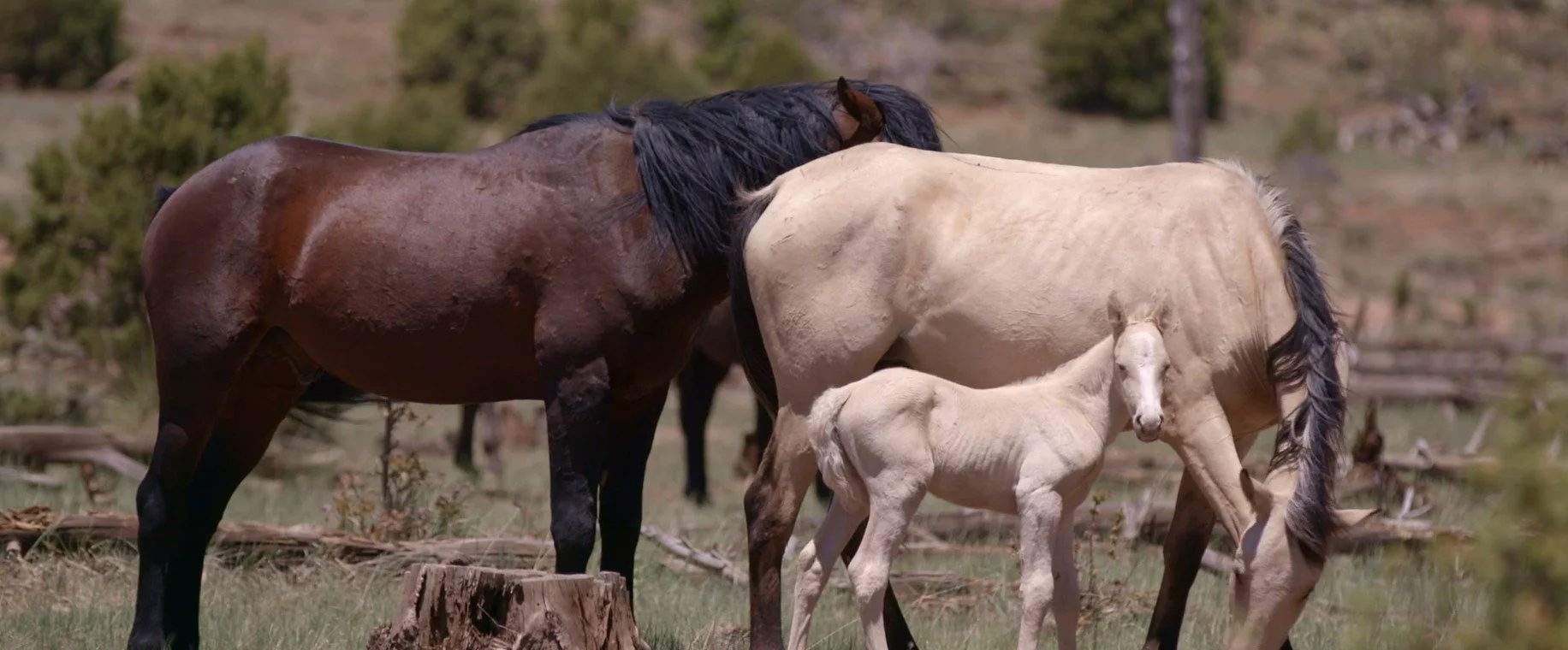
A wild family band in the Apache-Sitgreaves National Forest/Heber WHT. Photo © Prohibition Films