
January is International Hoofcare Month!
Wild Horse & Burro Hooves: Built by Nature, Shaped by Freedom
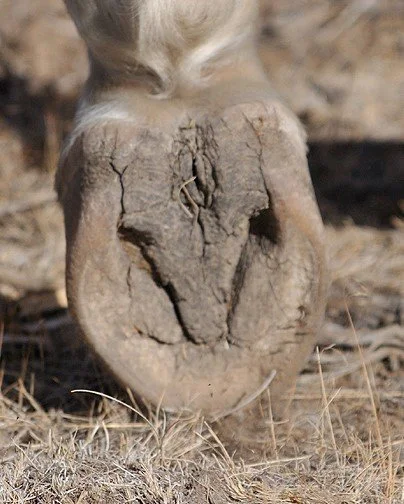
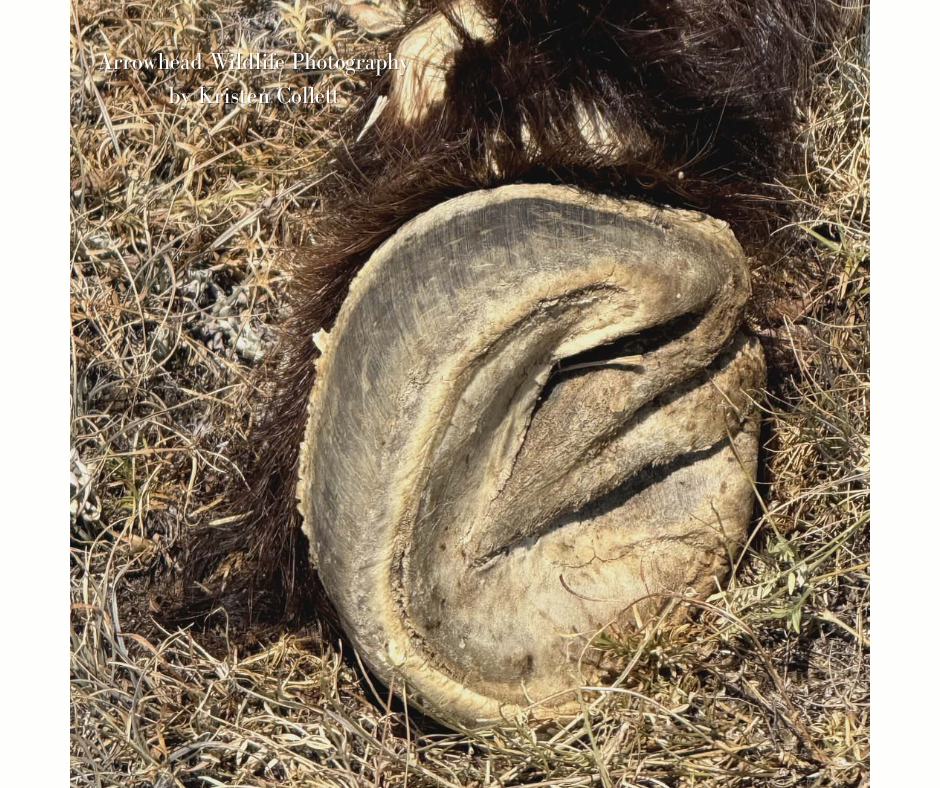
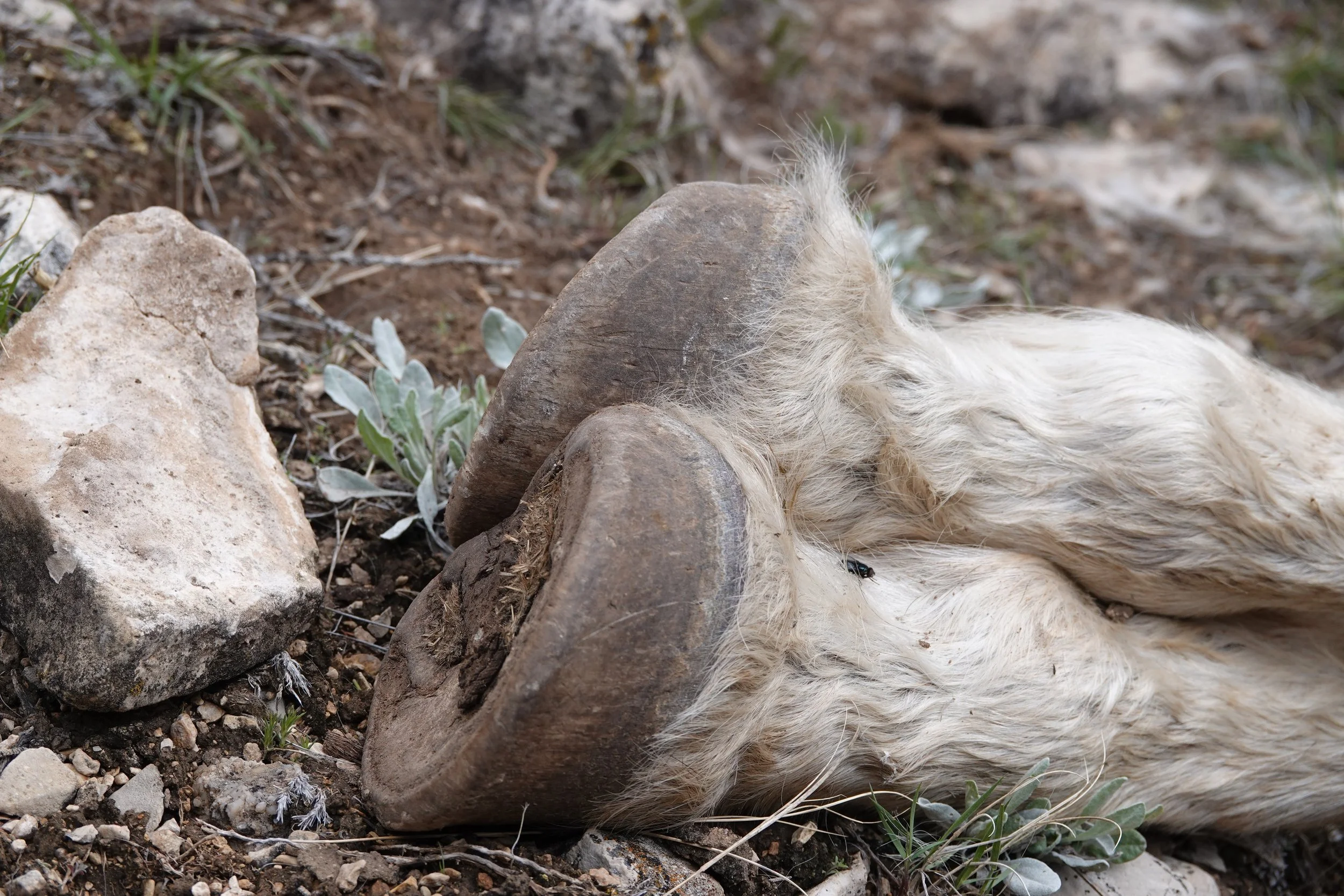
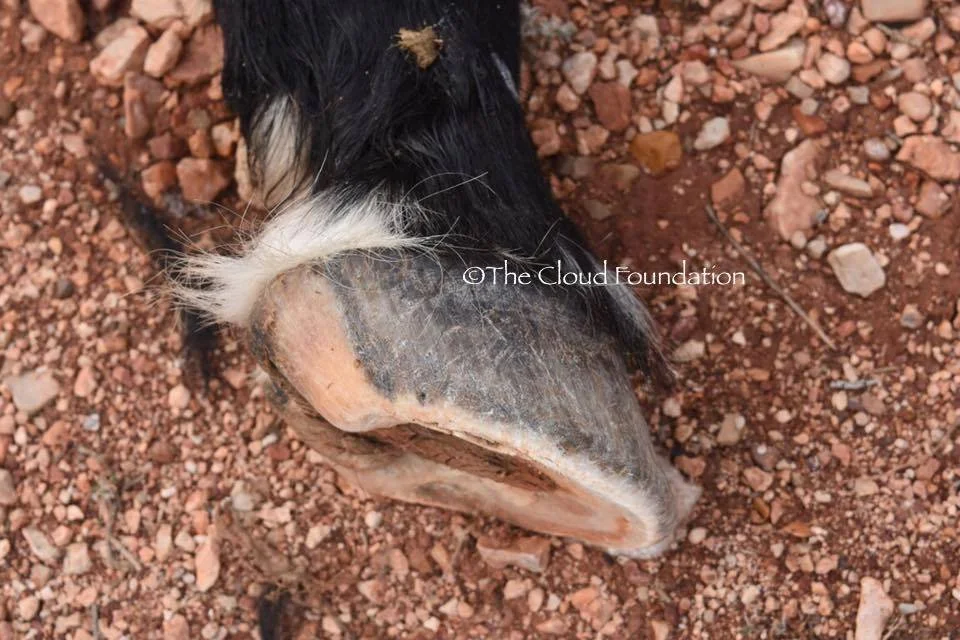
When we think about hoofcare, we typically picture farriers, trims, shoes, and regular scheduling. But for wild horses and burros, hoof health tells a very different story—one written by movement, landscape, and evolution.
During International Hoofcare Month, we’re taking a closer look at the remarkable hooves of wild horses and burros, and why their needs—and their realities—are fundamentally different from those of domestic horses.
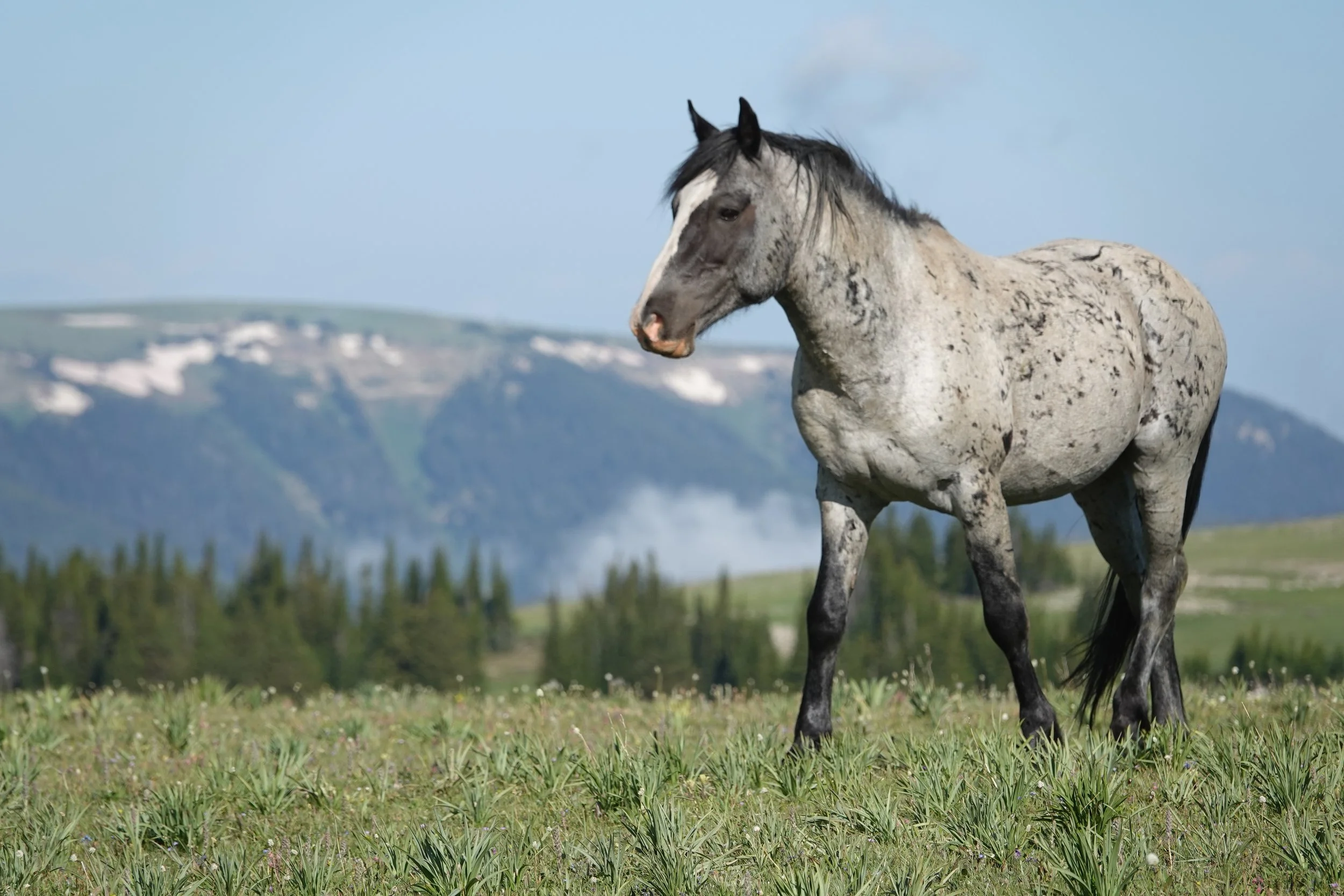
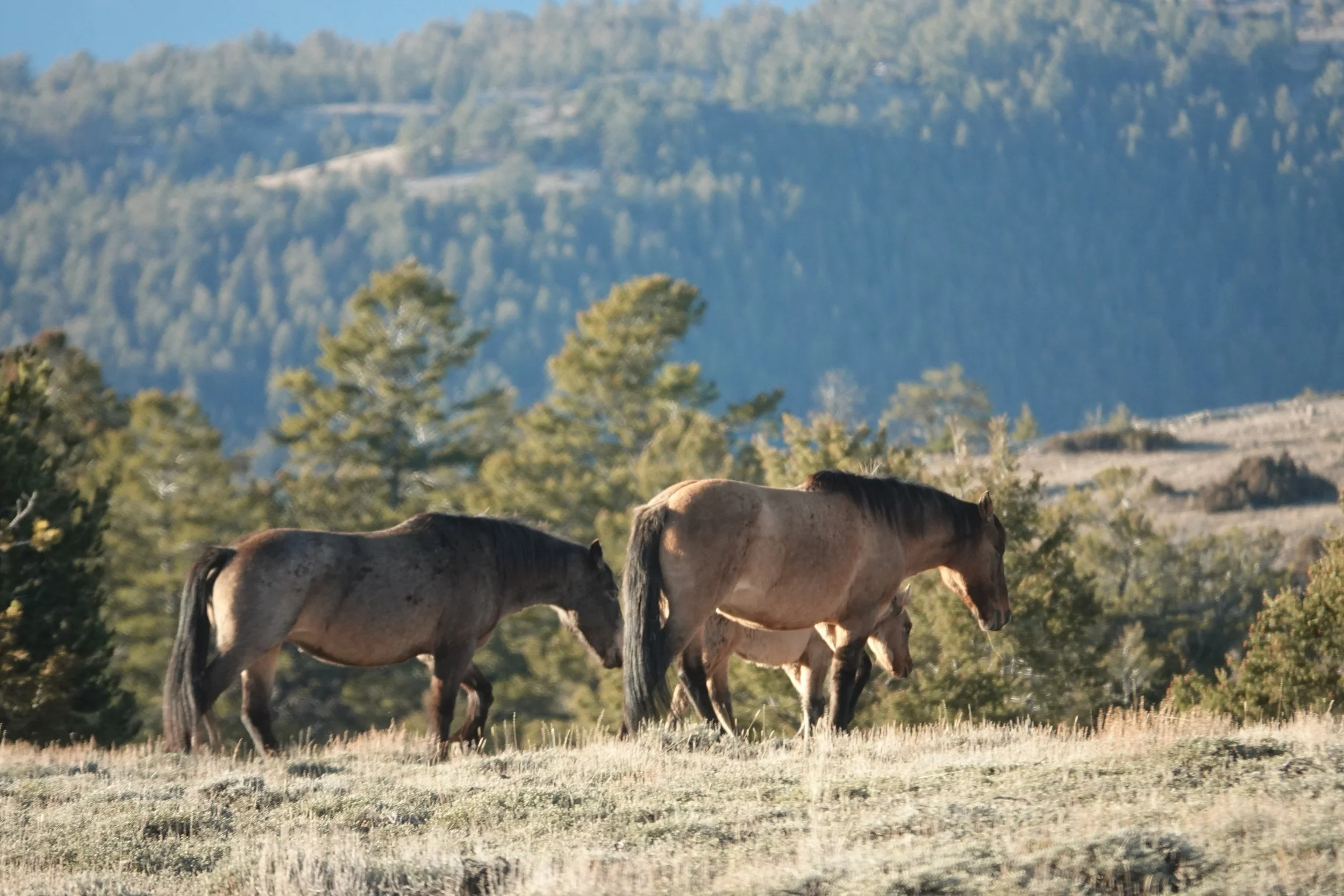
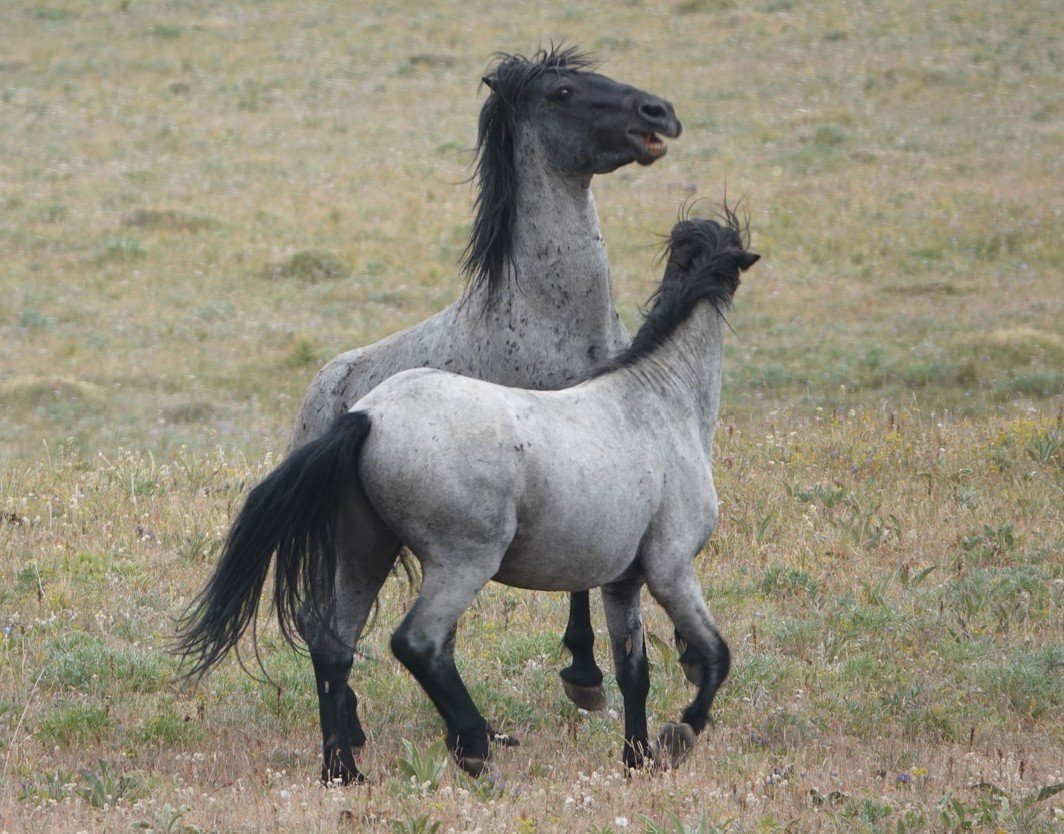
Hooves Designed for Movement
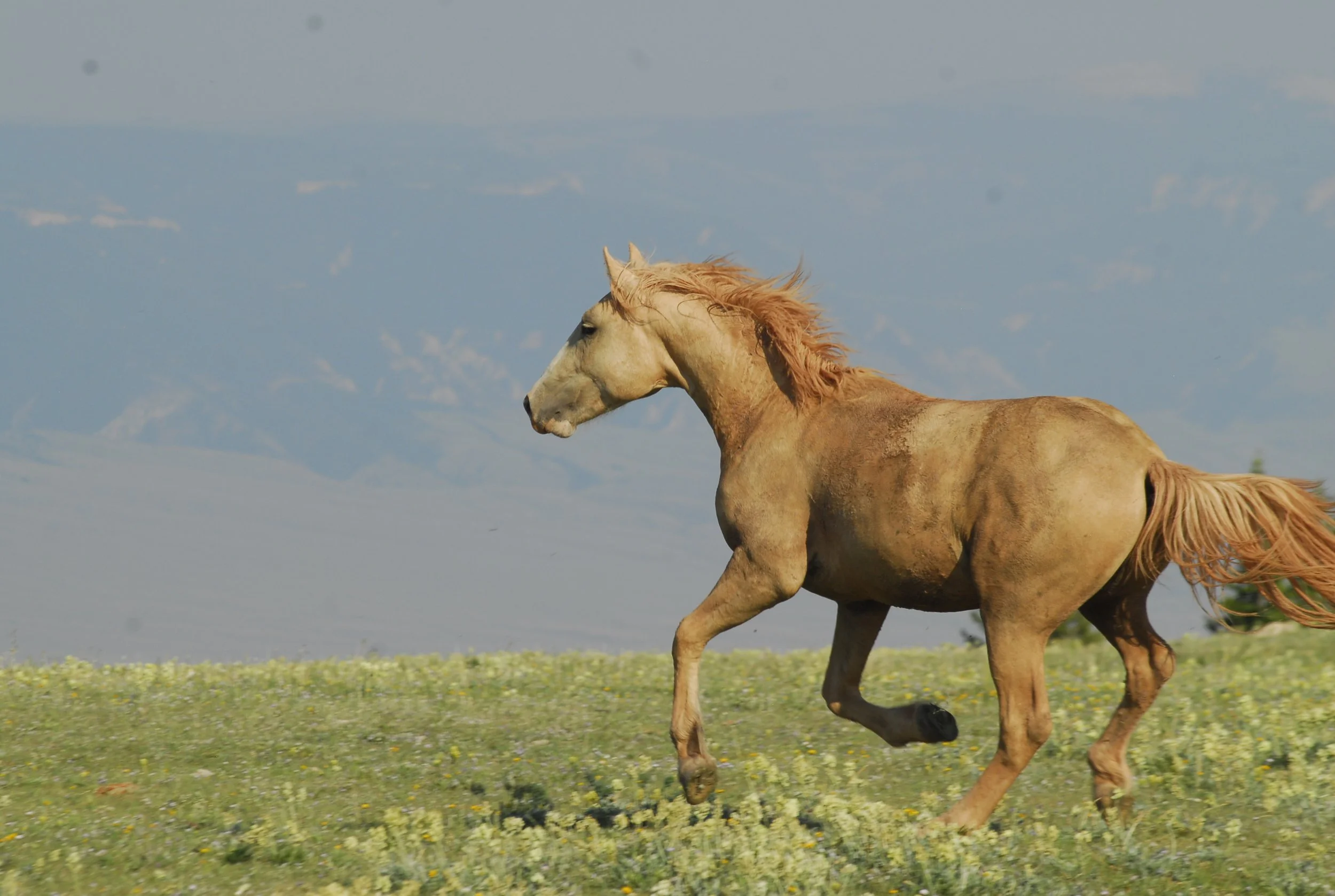
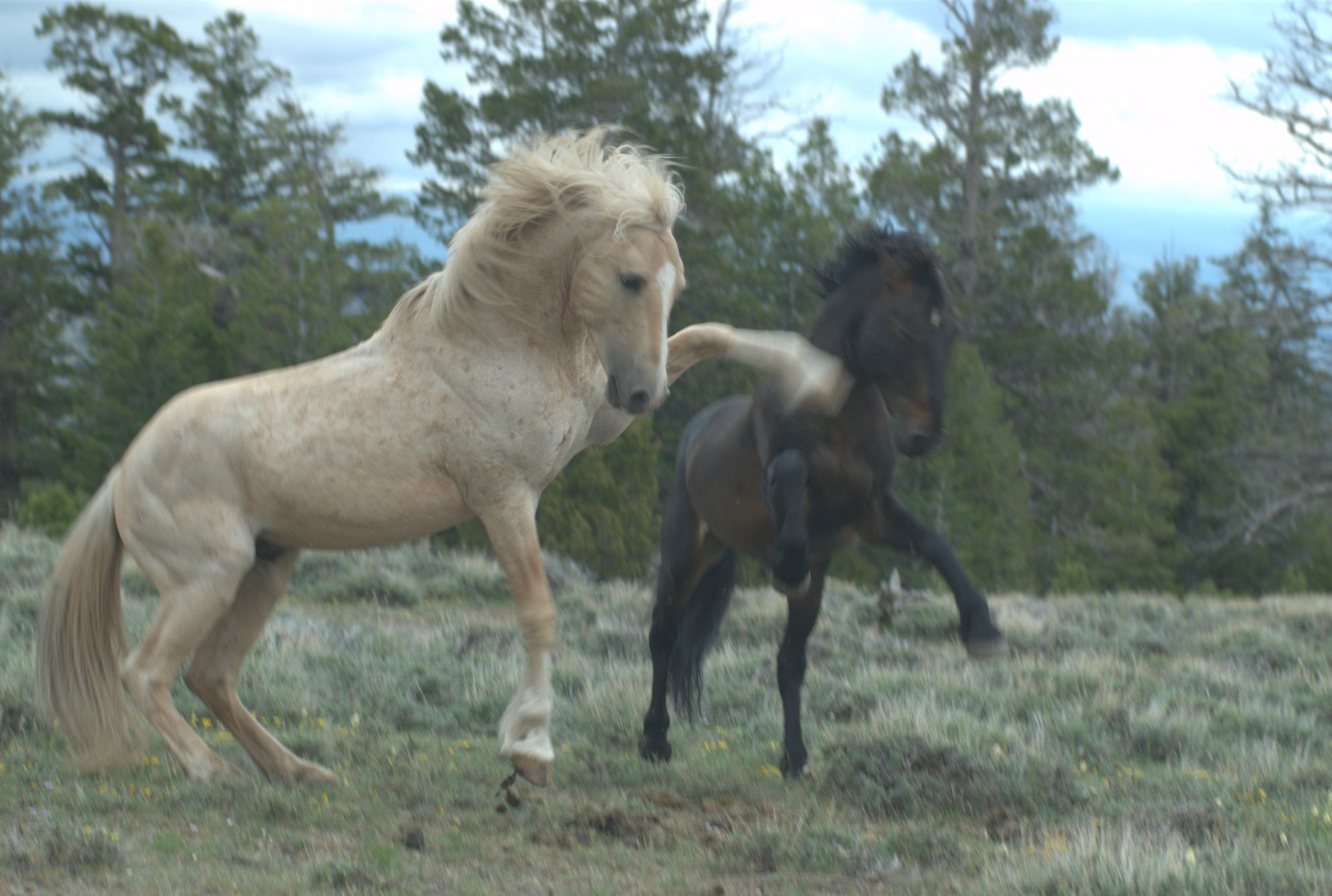
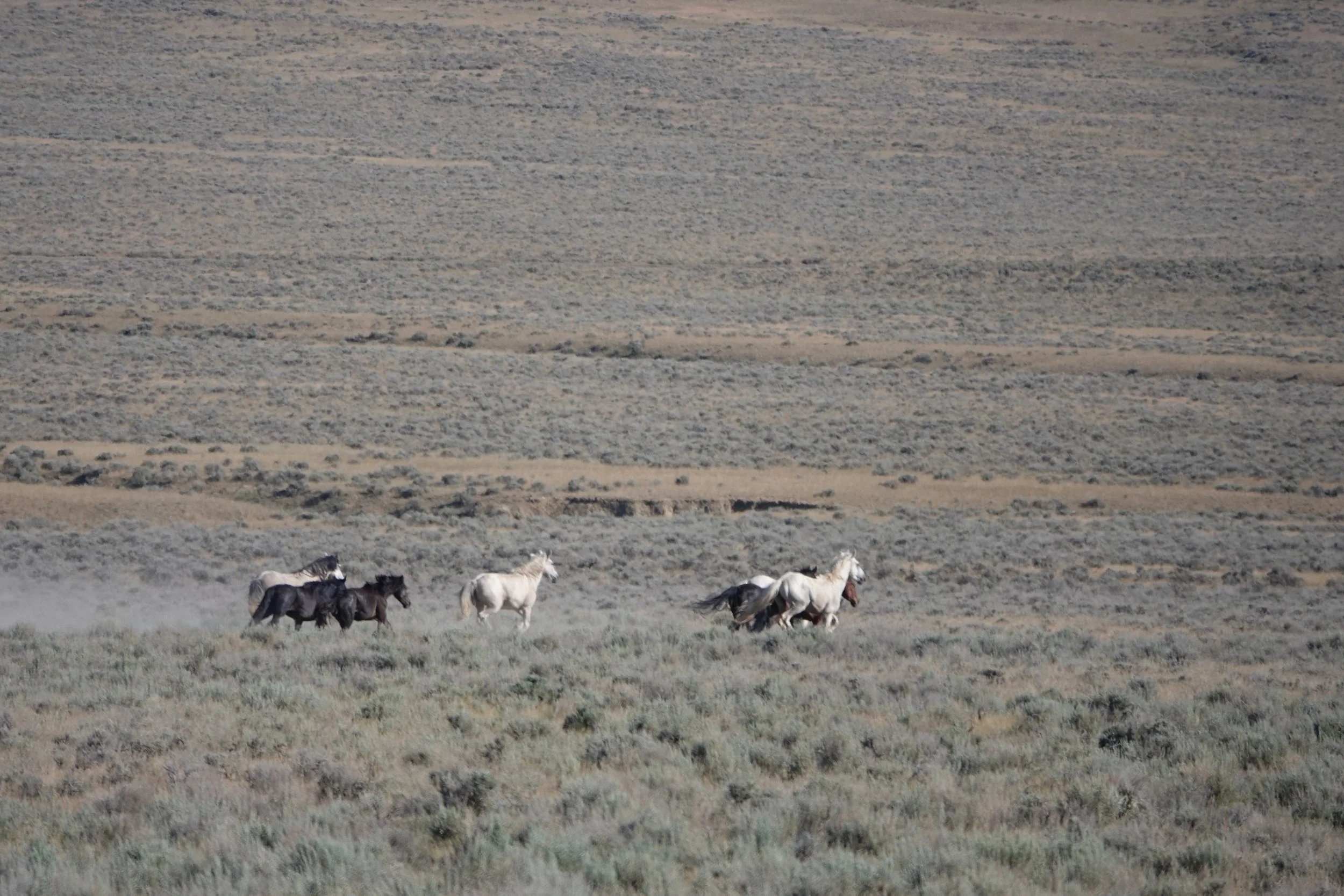
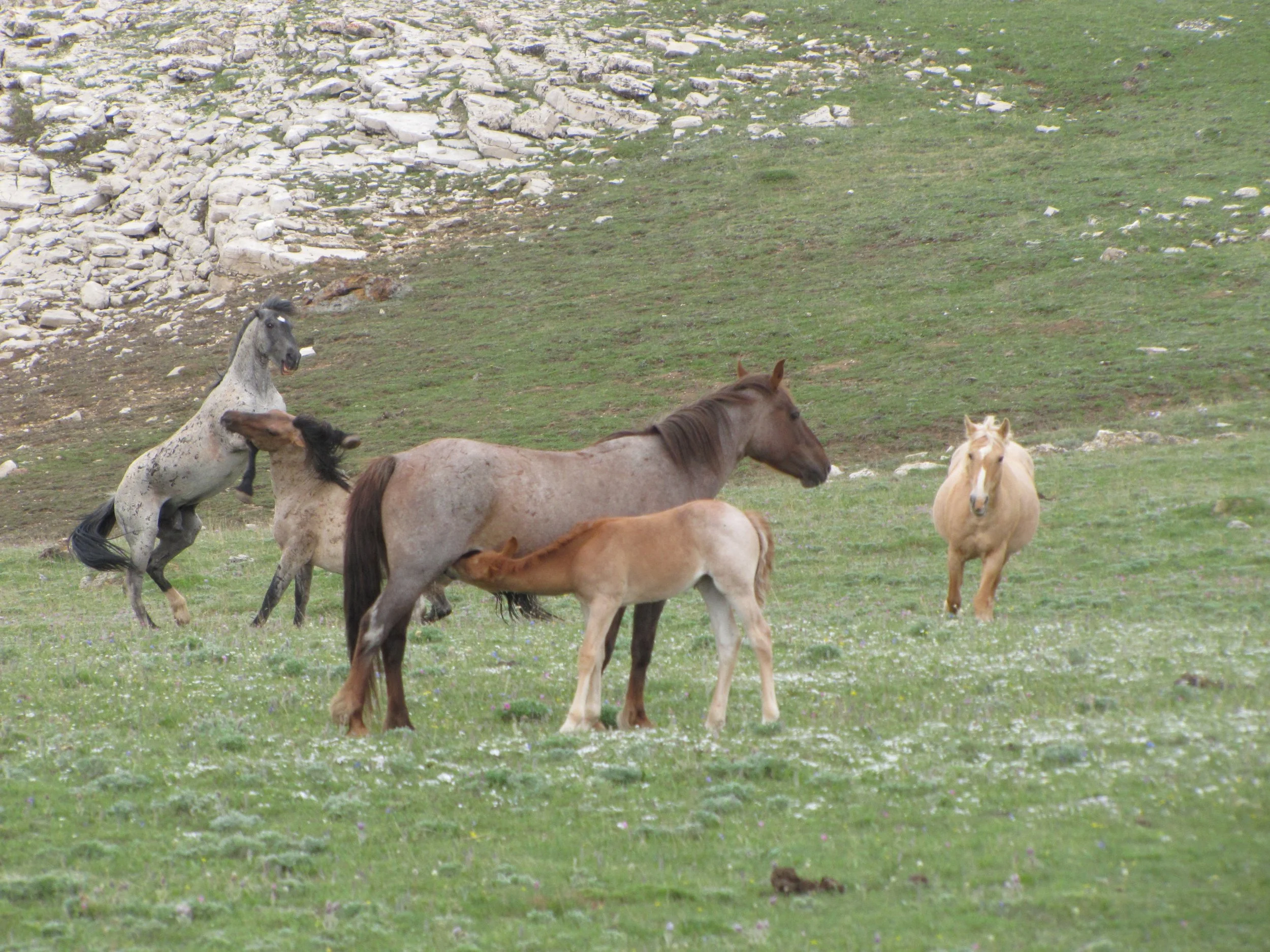
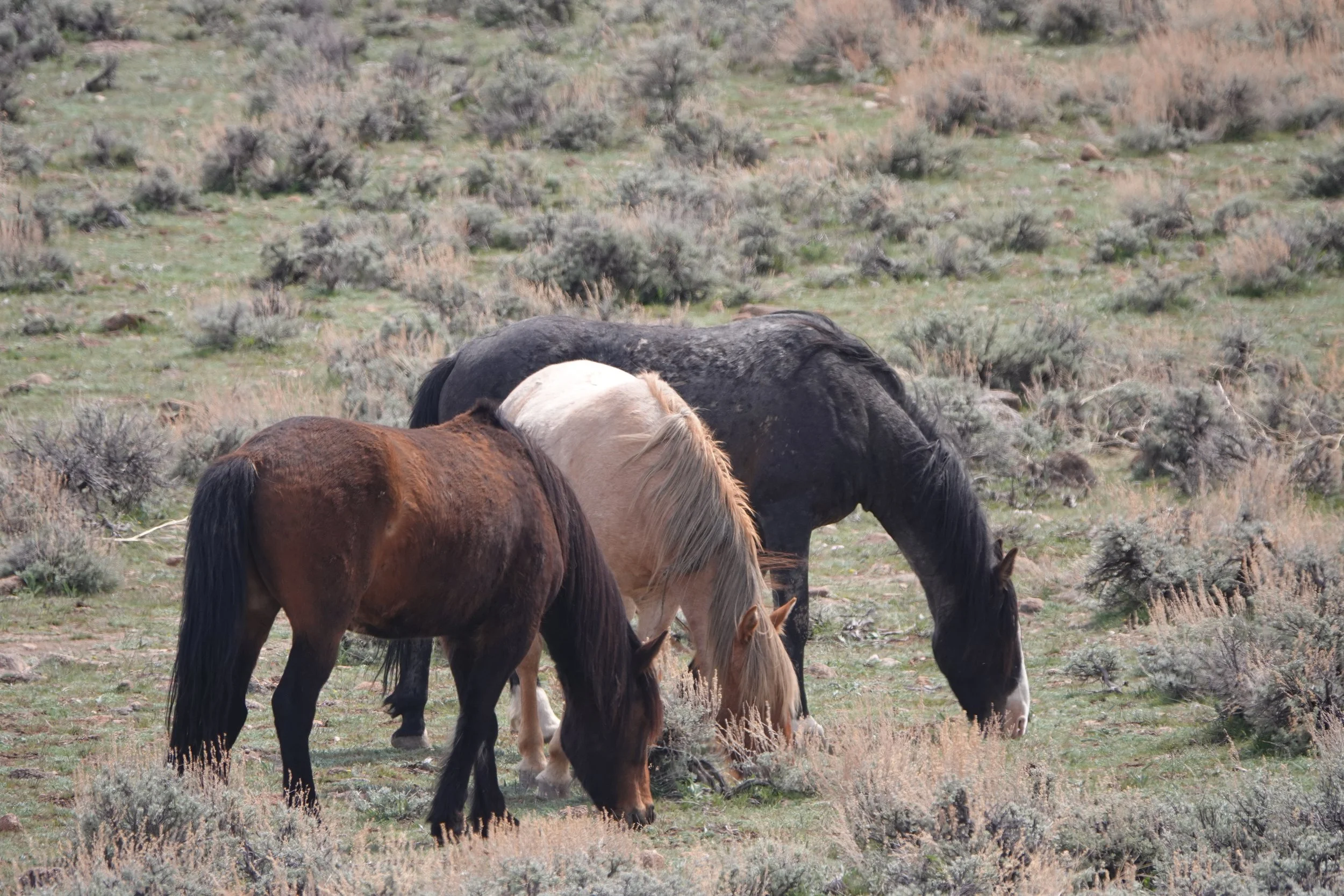
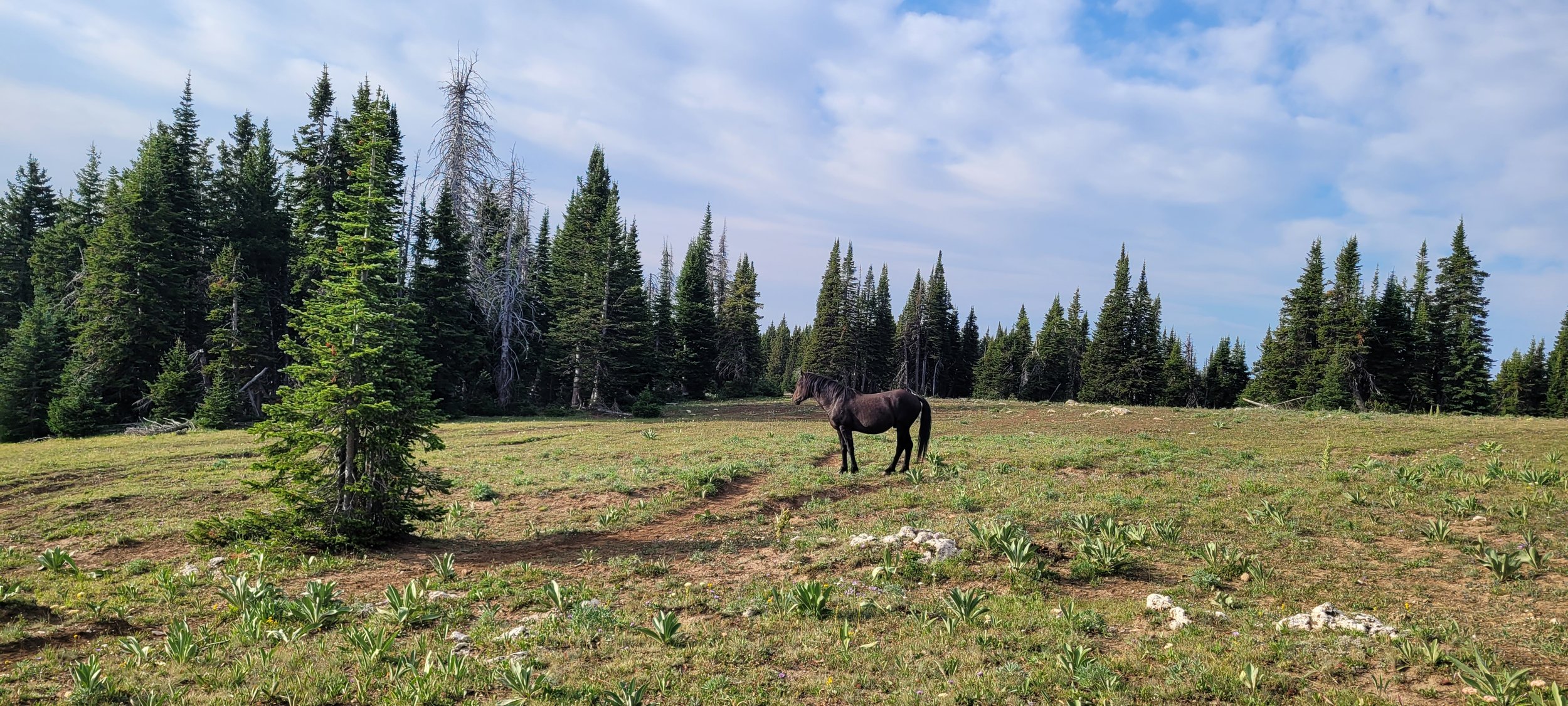
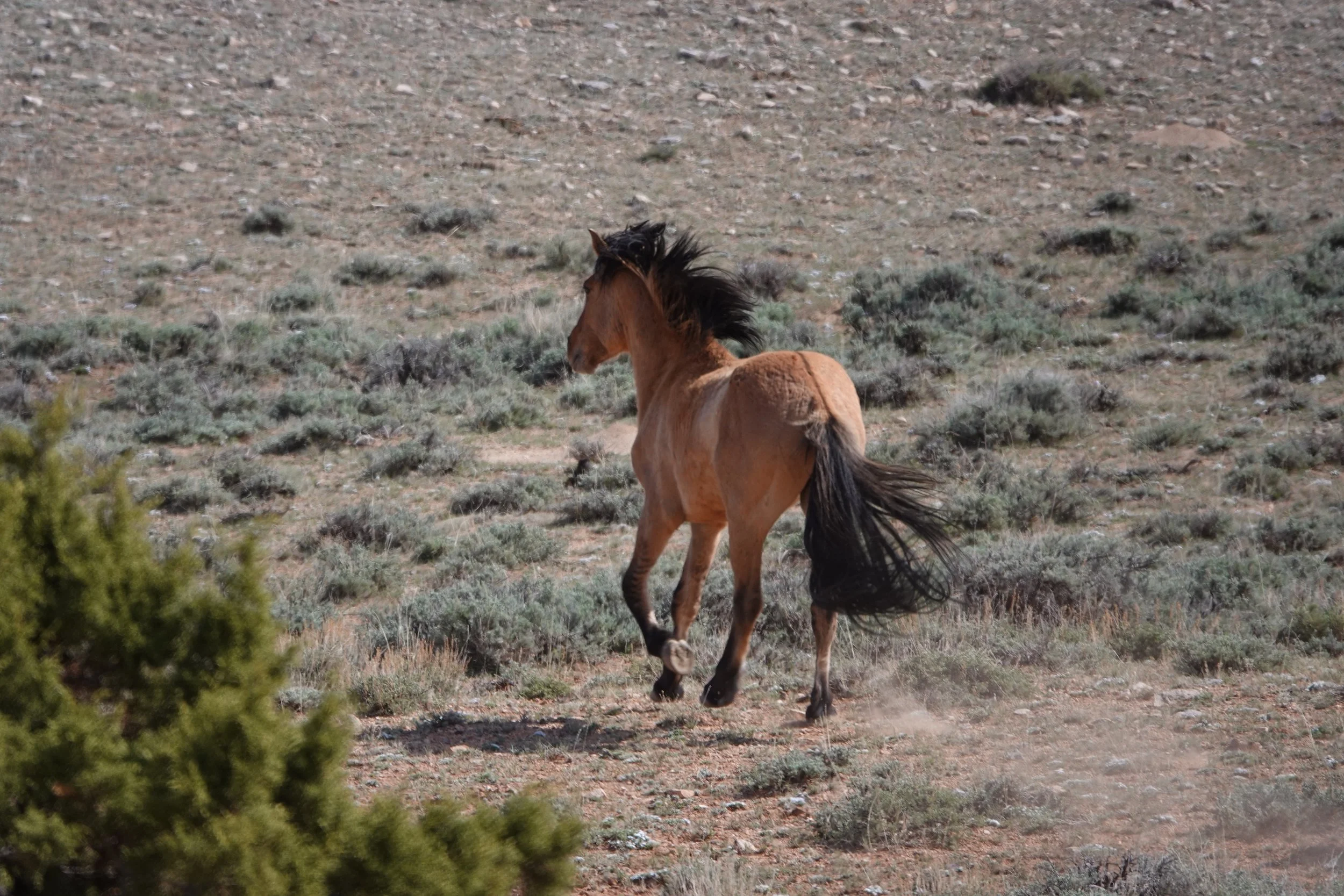
Wild horses and burros evolved to move. A lot!
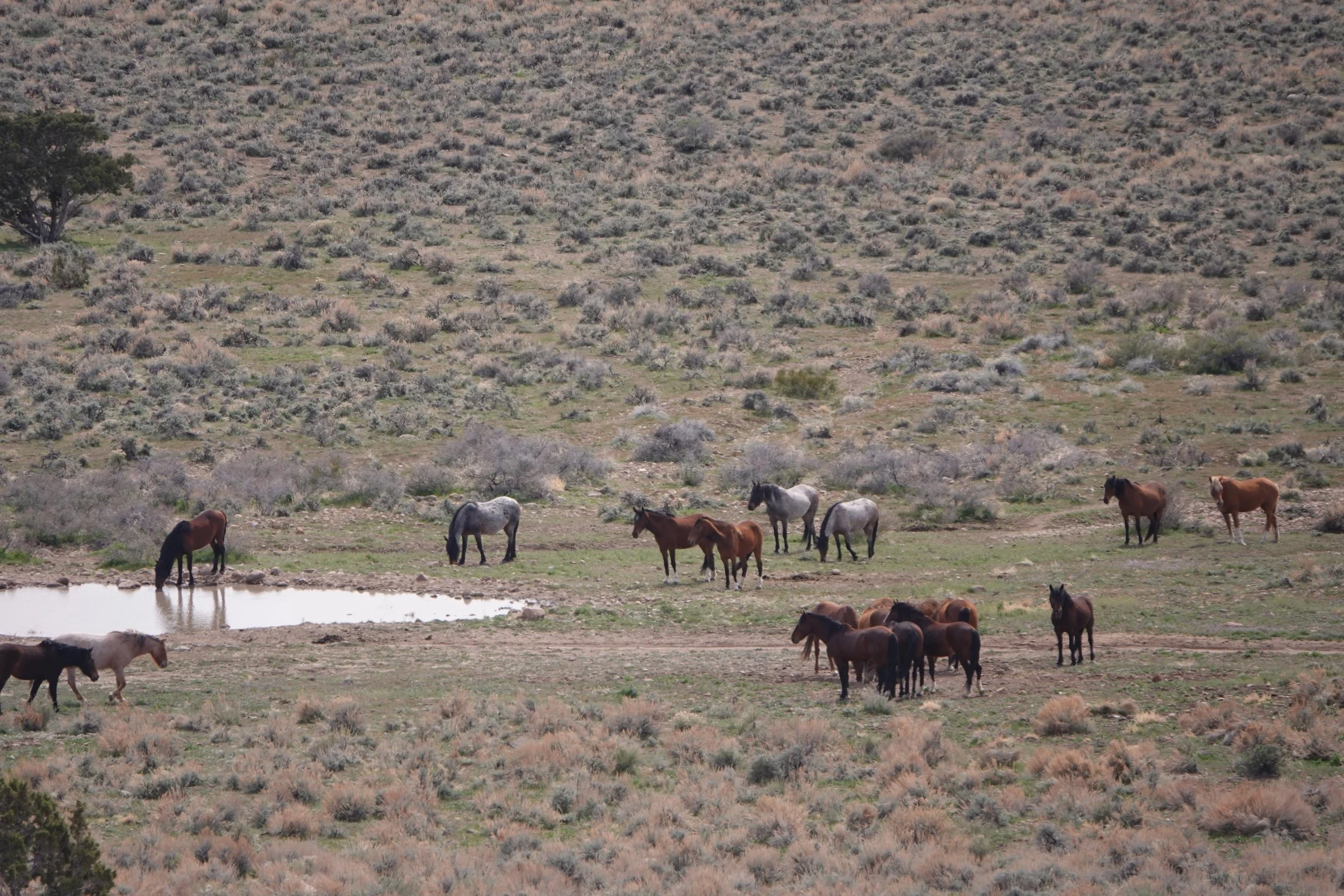
In a healthy habitat, they may travel many miles each day in search of forage, water, shade, and social connection. That constant movement over varied terrain naturally wears the hoof, shaping it in balance with growth. For most wild equids, this means hooves are self-maintaining, without the need for routine trimming or intervention.
Movement isn’t just about wear—it also supports circulation within the hoof, helping maintain healthy internal structures. In many ways, freedom itself is the foundation of wild hoof health.
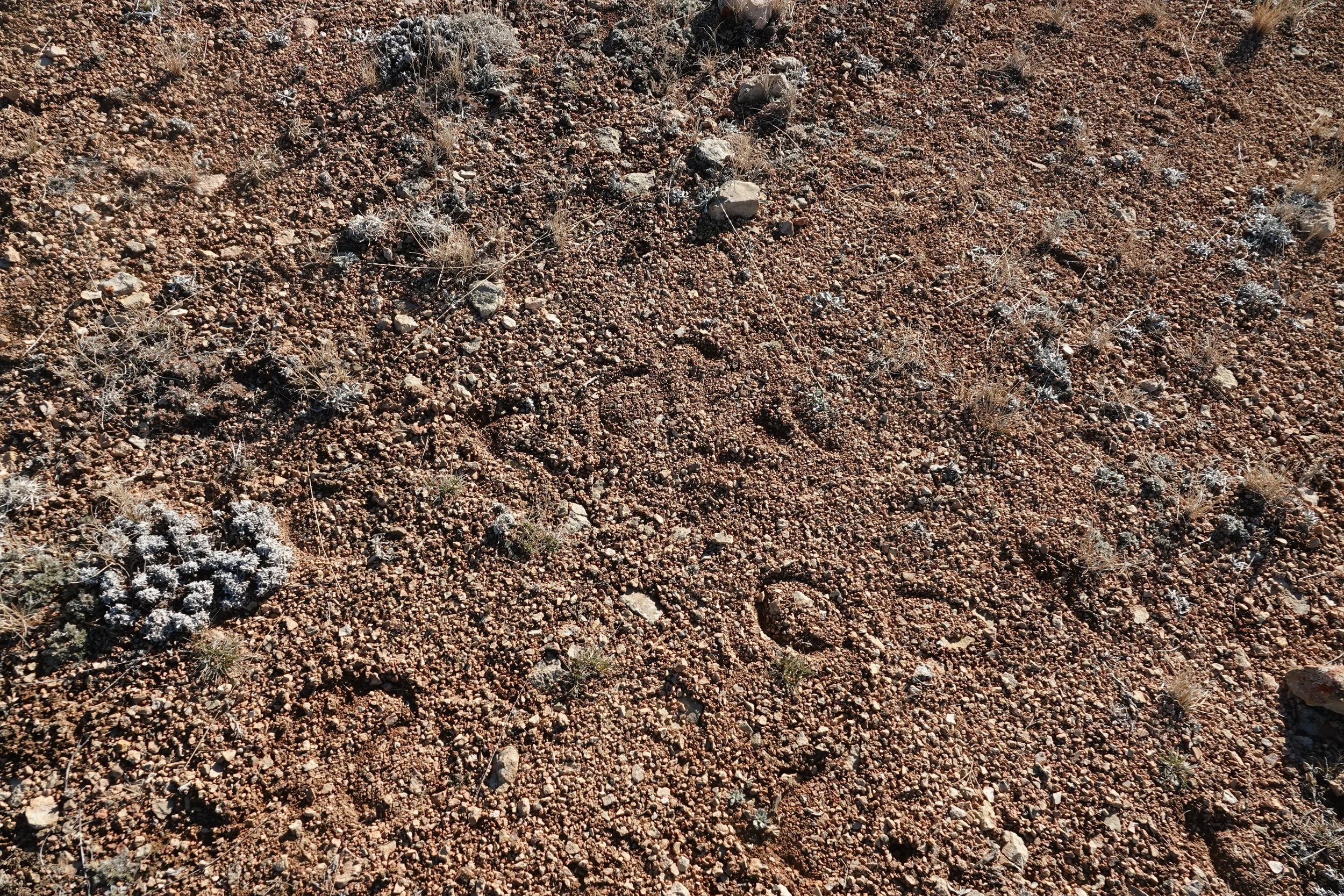
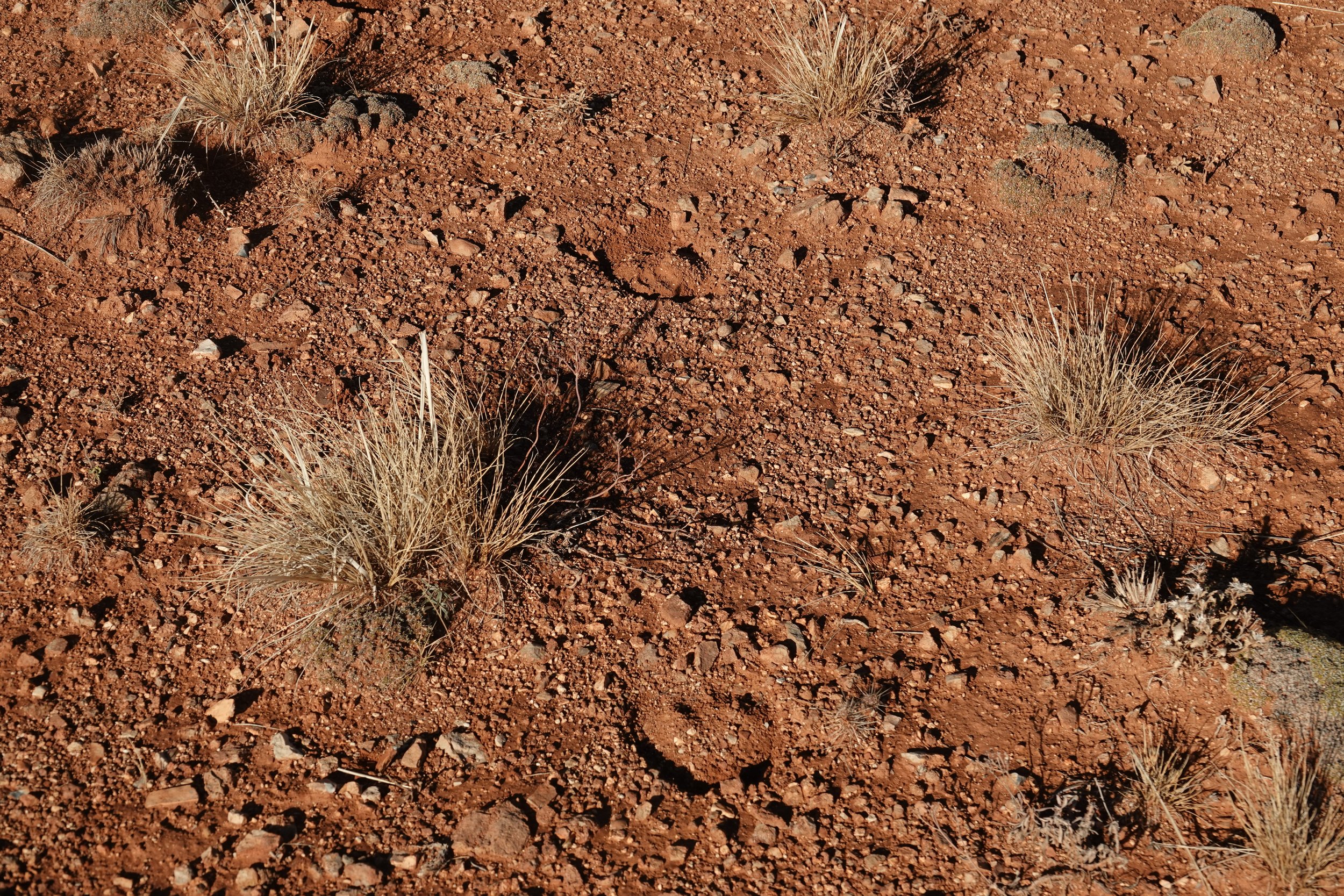
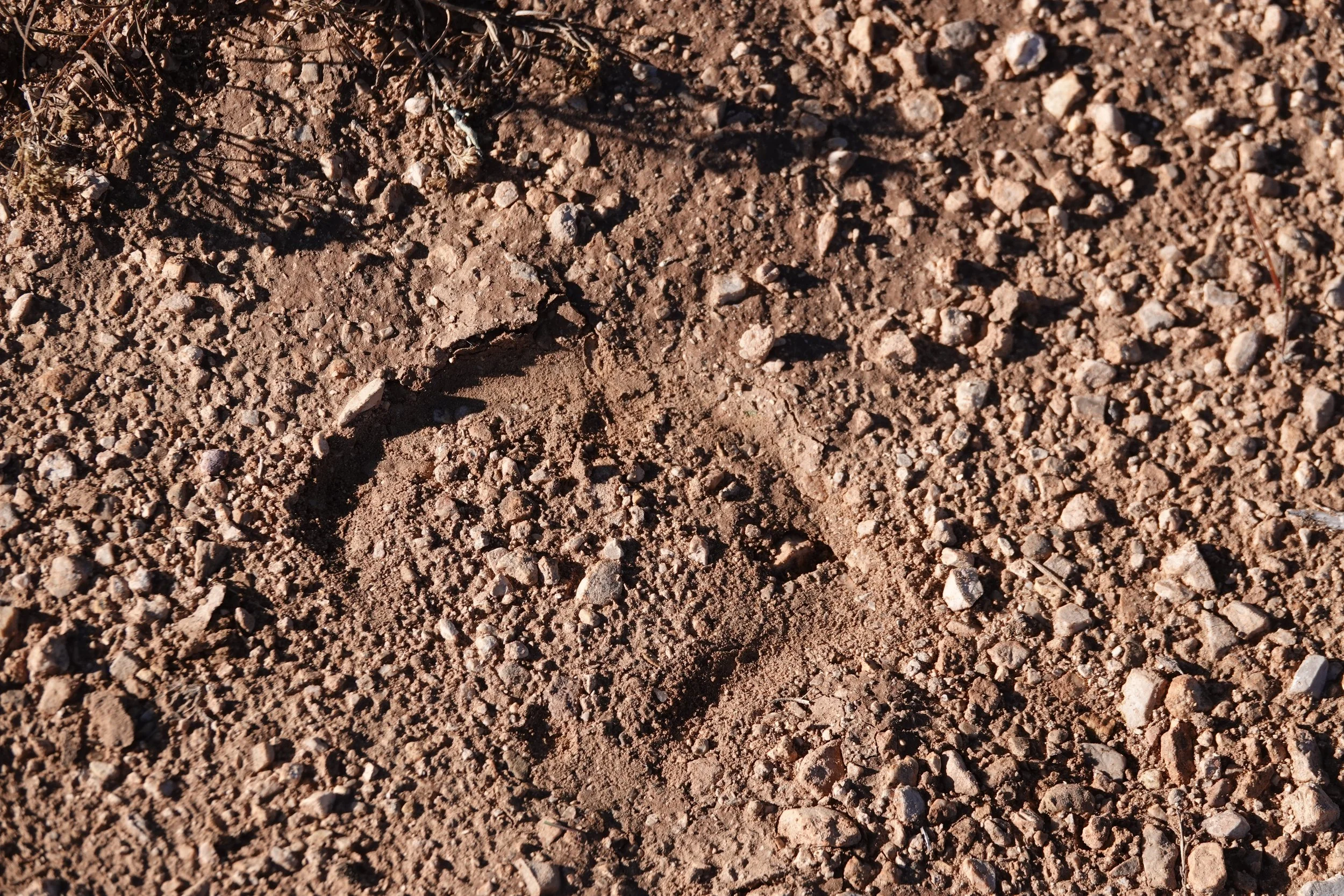
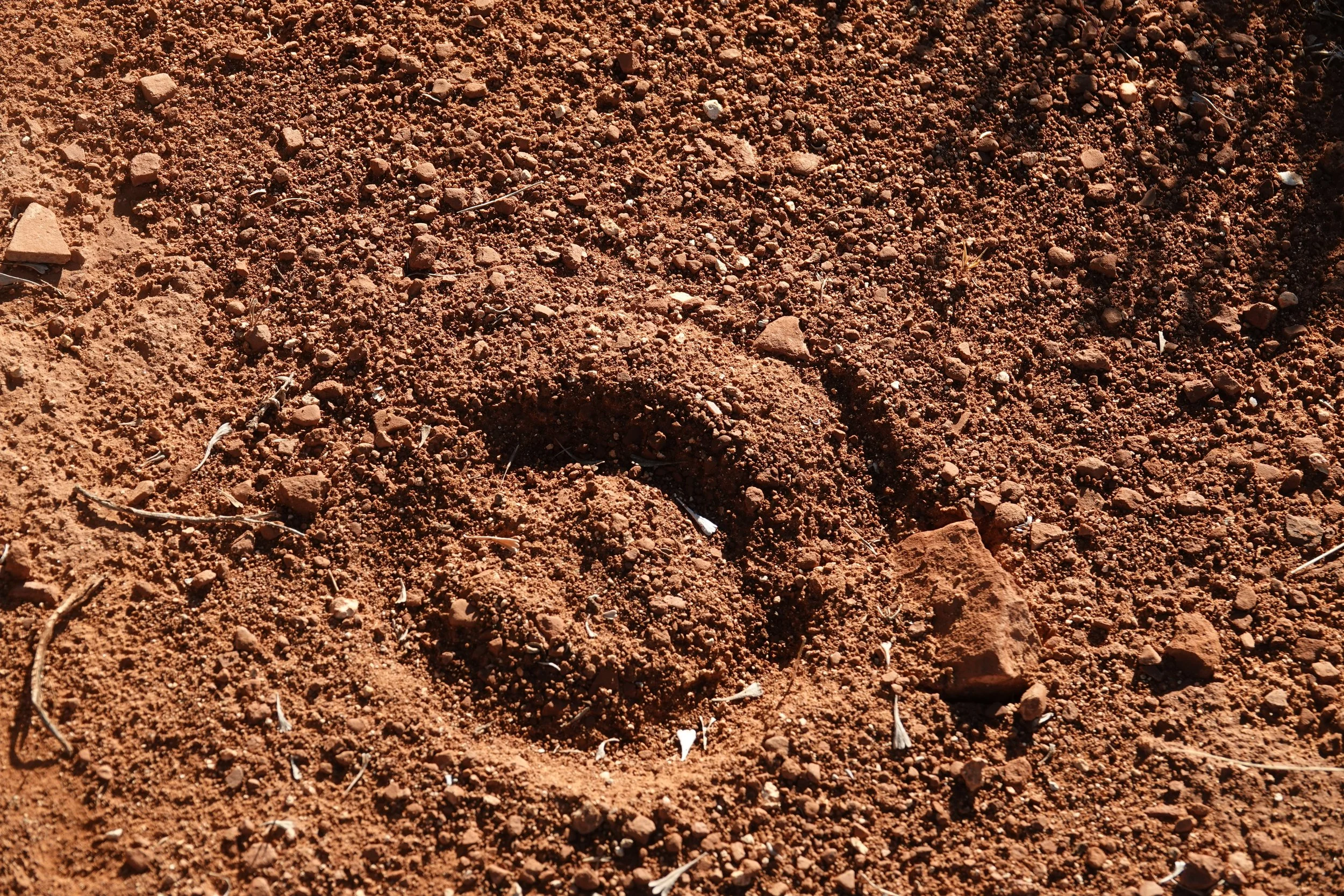
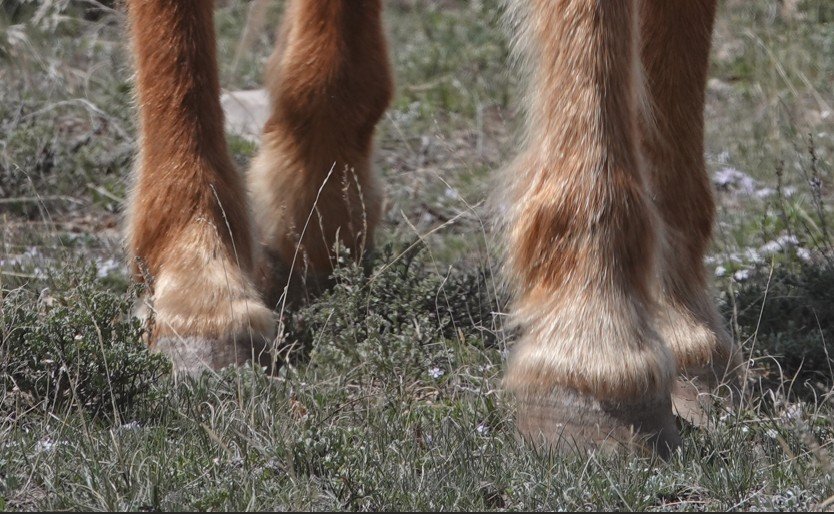
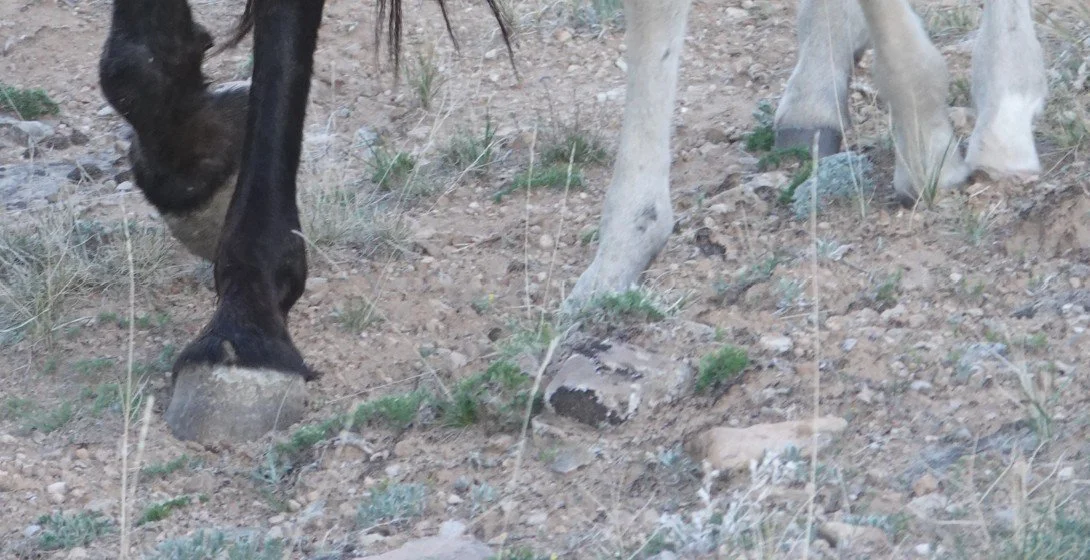
One Landscape, Many Hoof Shapes
There is no single “perfect” wild hoof.
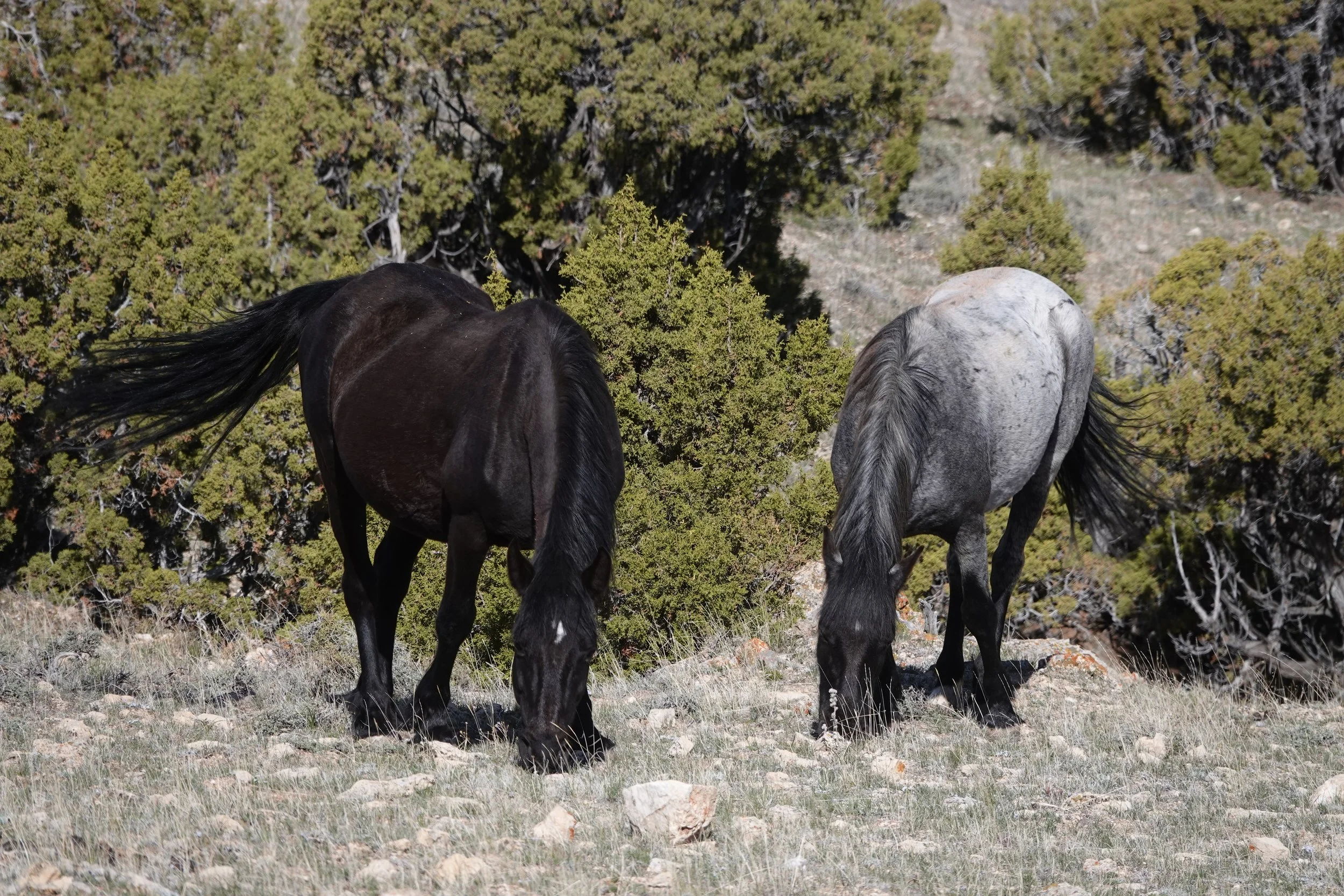
Hoof size, hardness, and shape vary widely depending on terrain, climate, and forage:
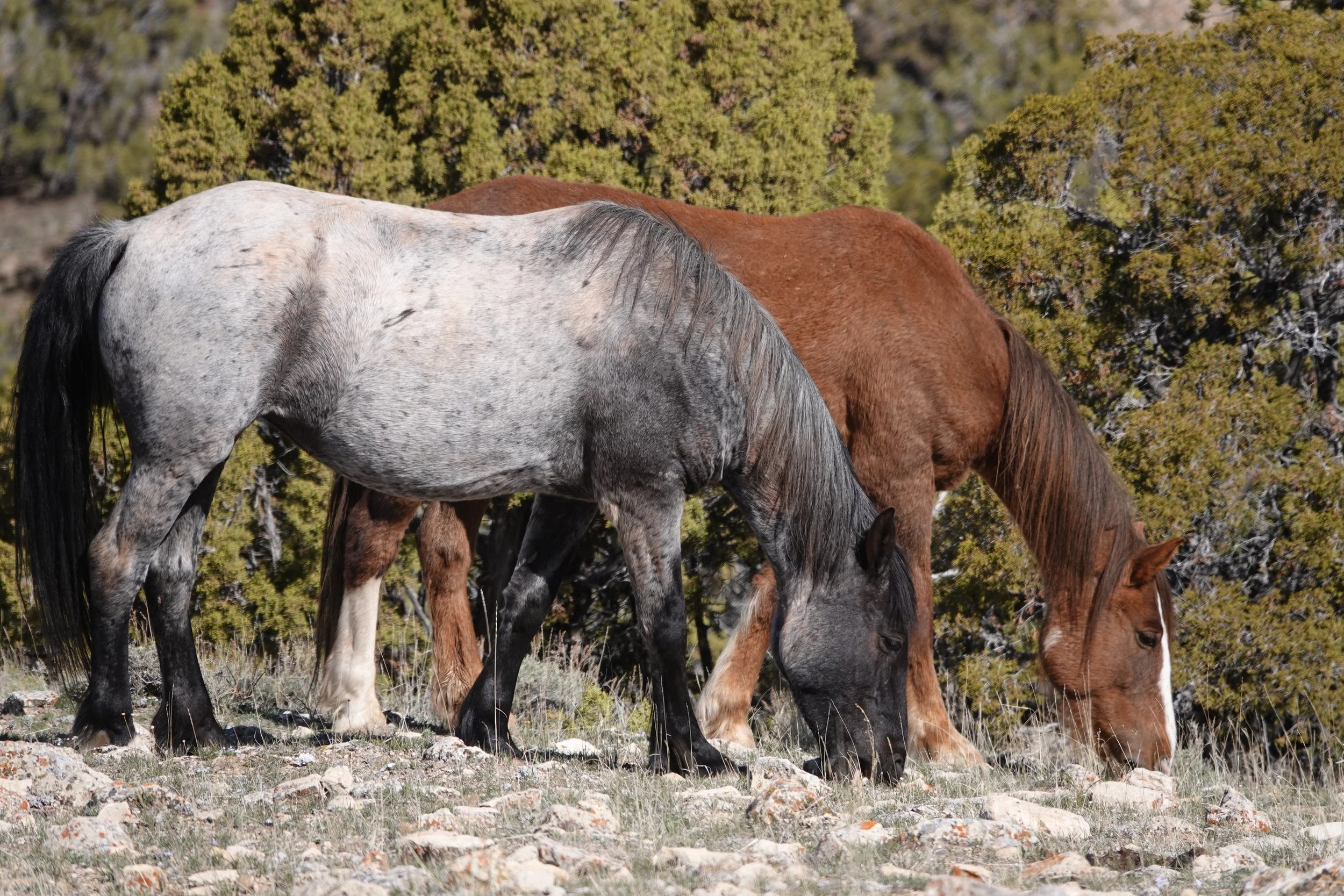
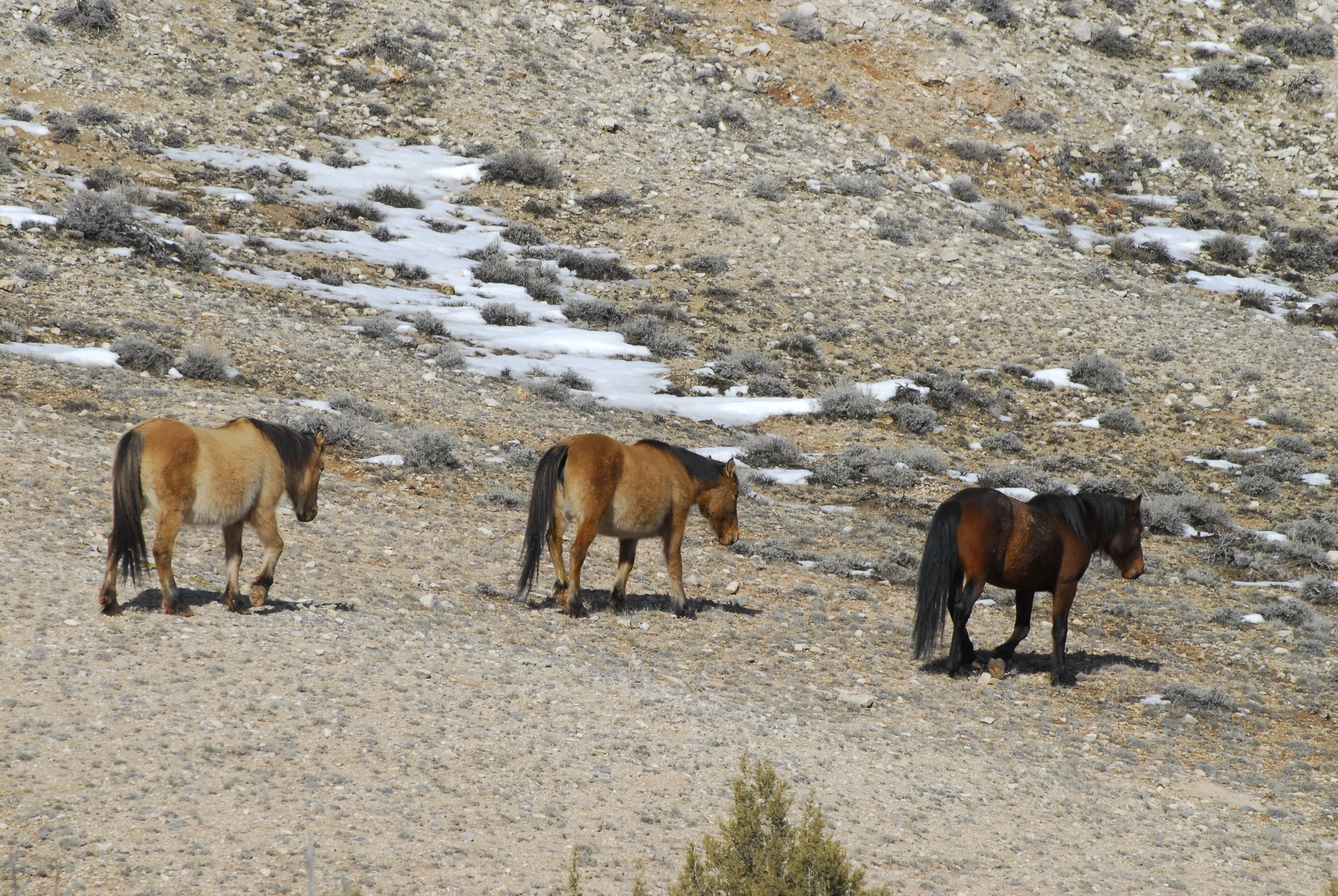
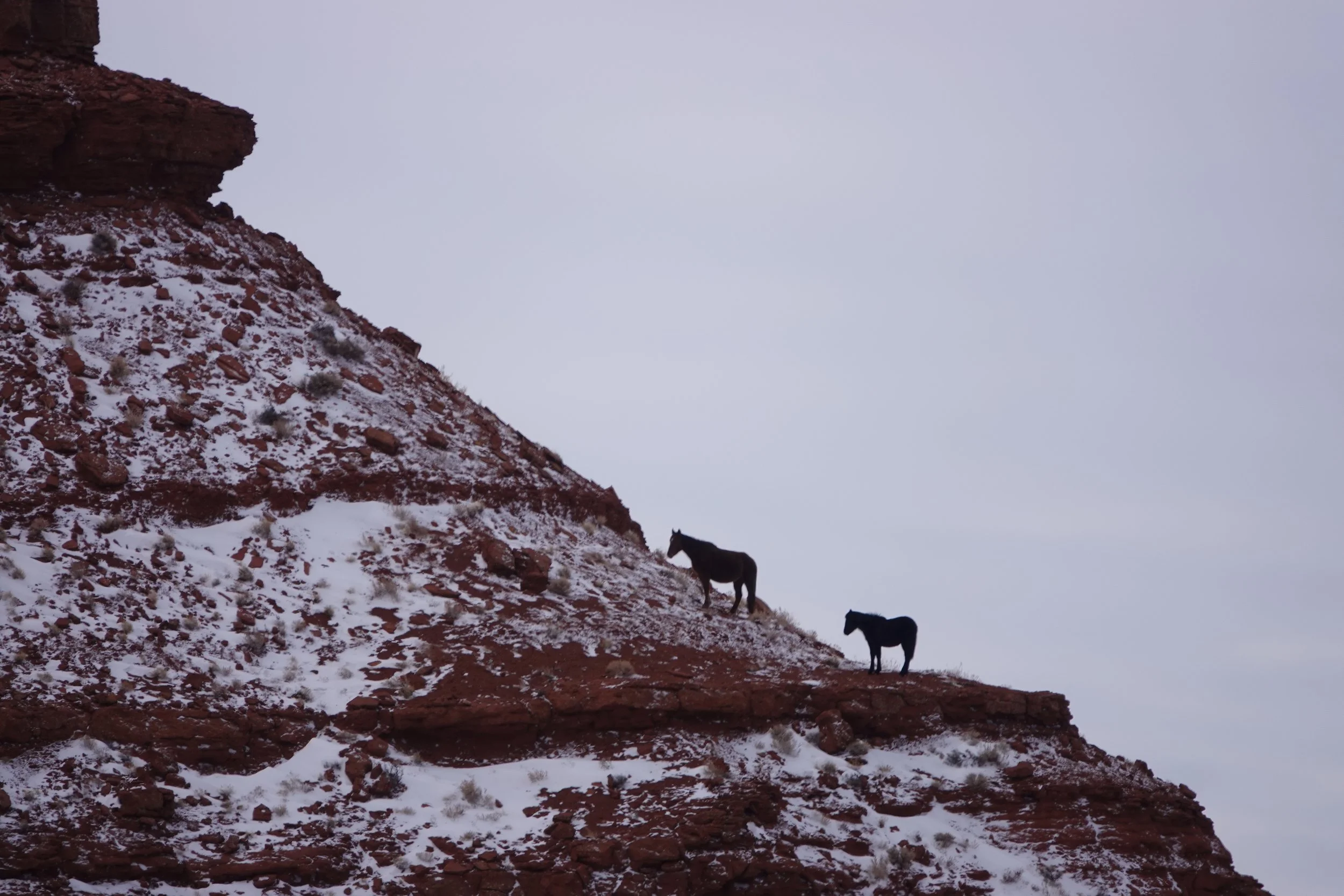
Rocky, mountainous landscapes tend to produce harder, more compact hooves
Sandy or softer soils often result in broader, flatter hooves
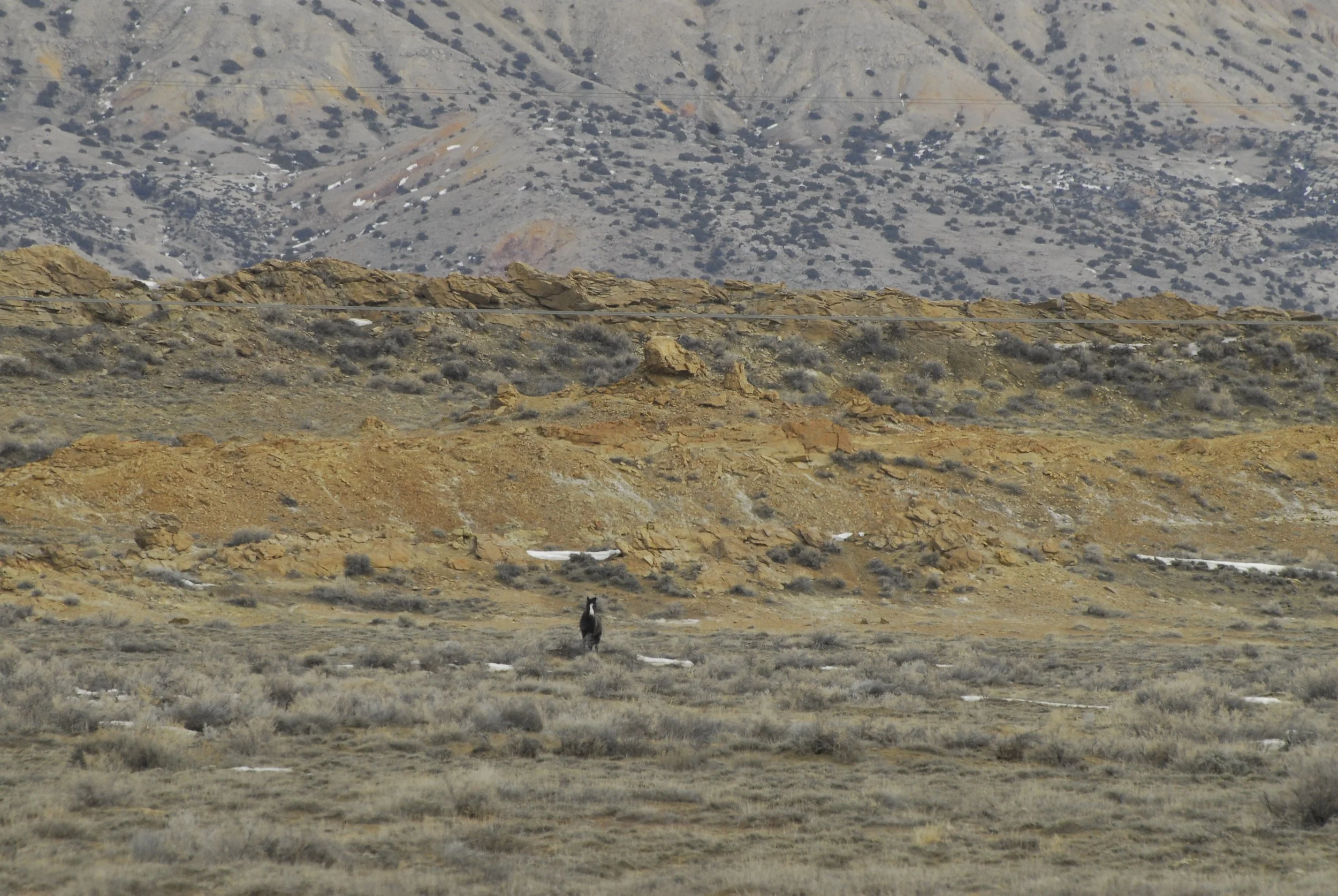
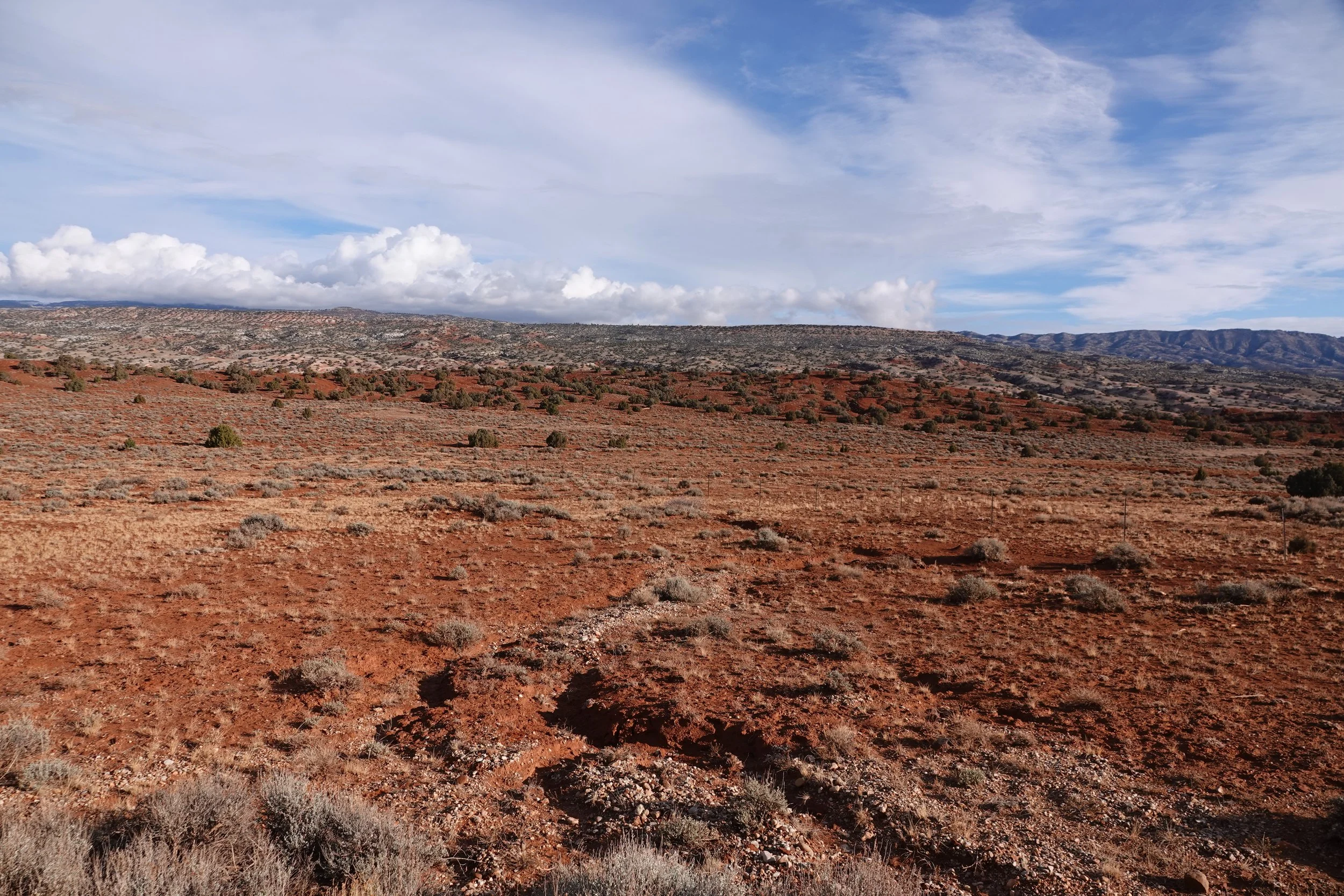
Arid desert regions shape hooves differently than grasslands or forested ranges
This variation isn’t a flaw—it’s an adaptation. Wild hooves reflect the land they move across every day.
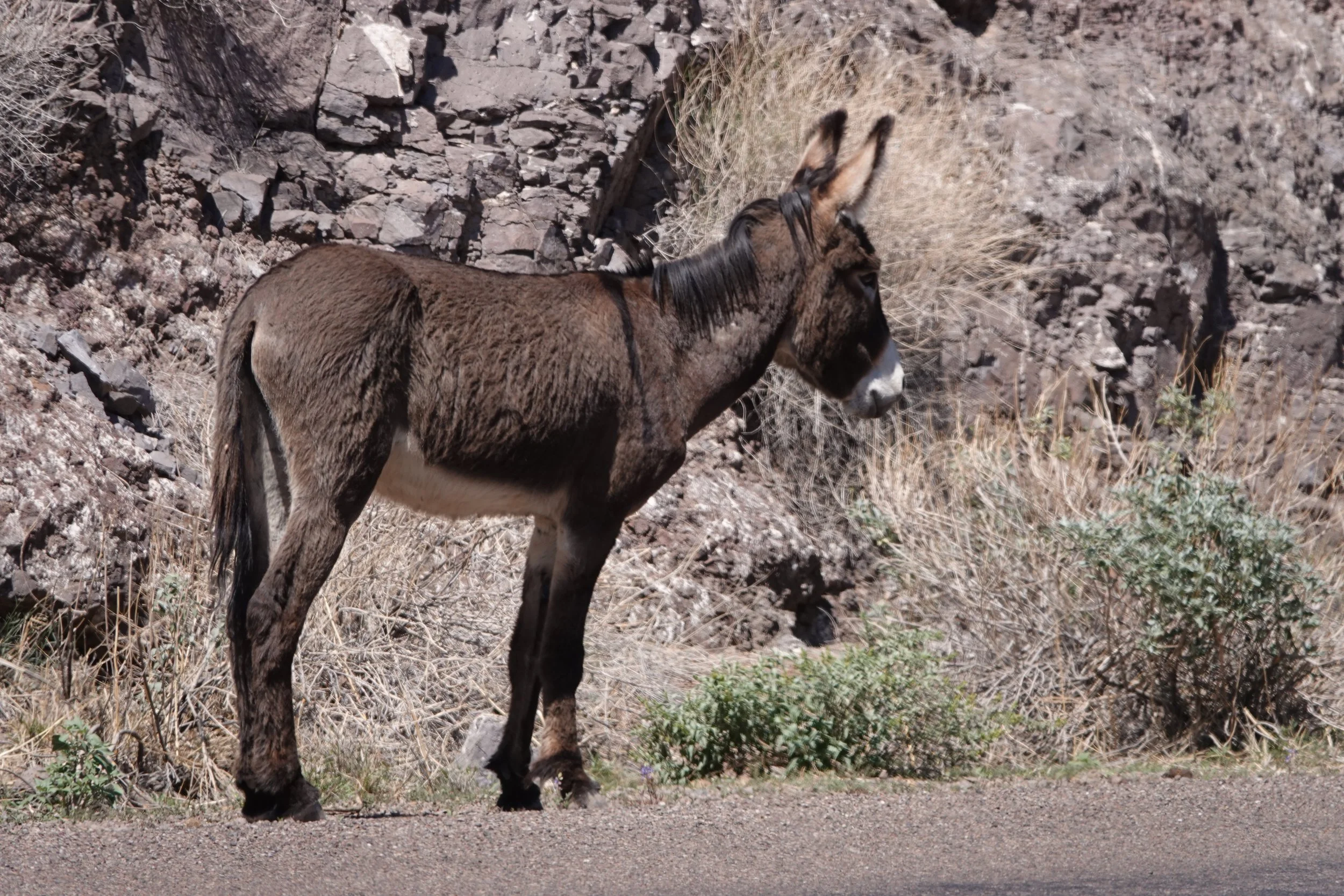
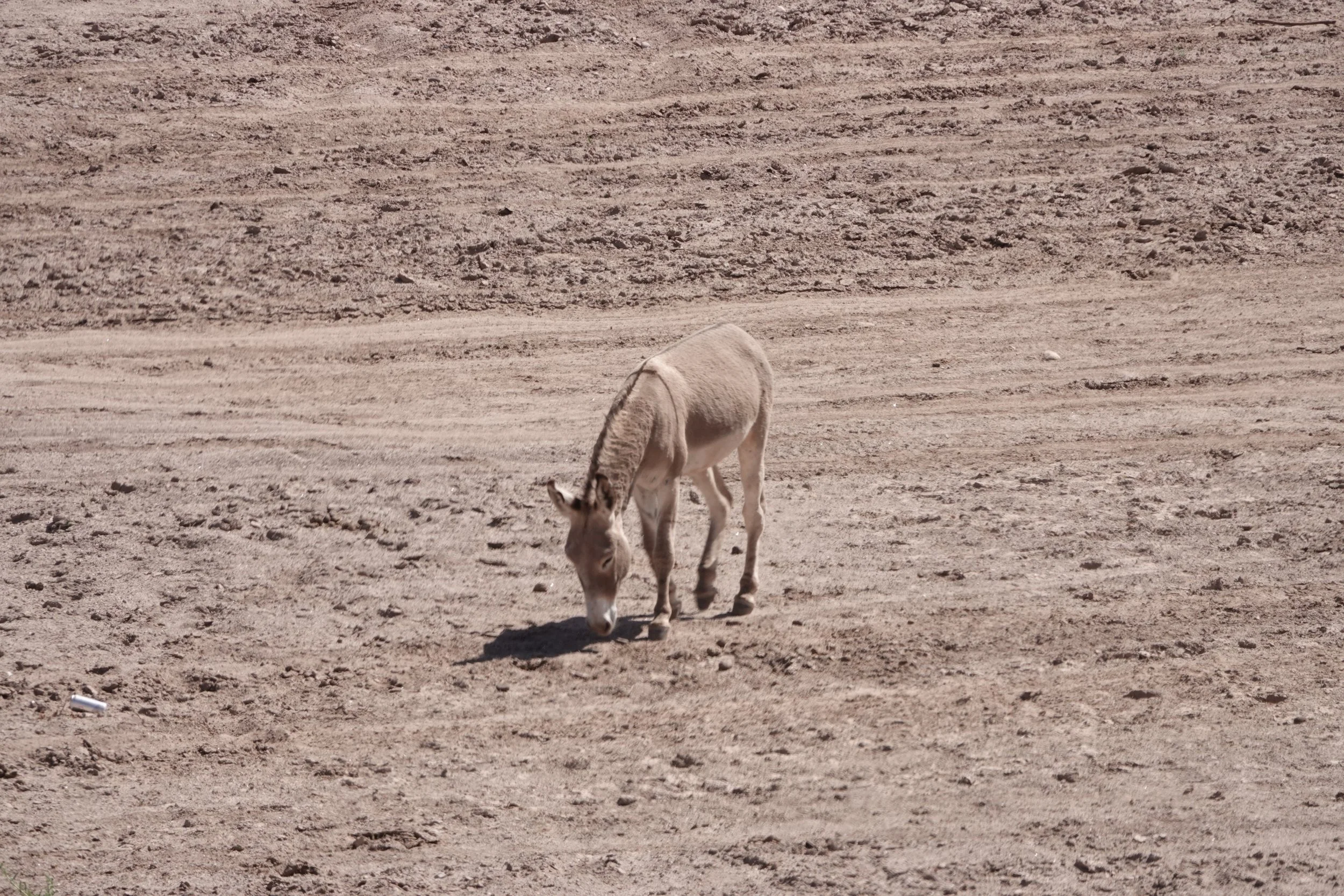
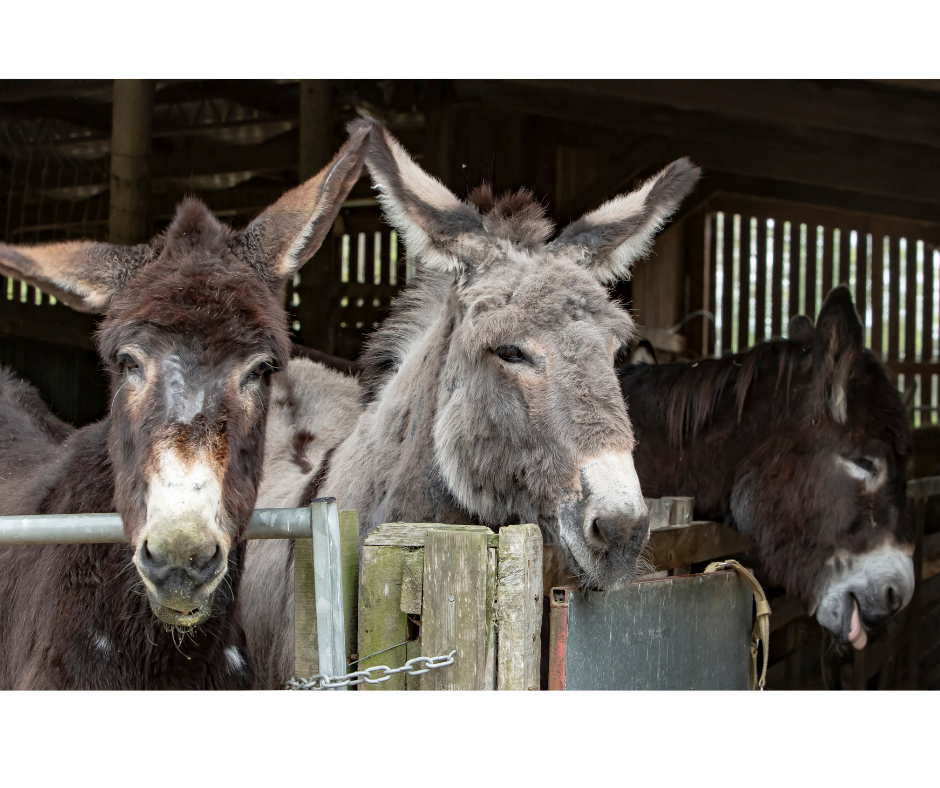
Burro Hooves: Desert Specialists
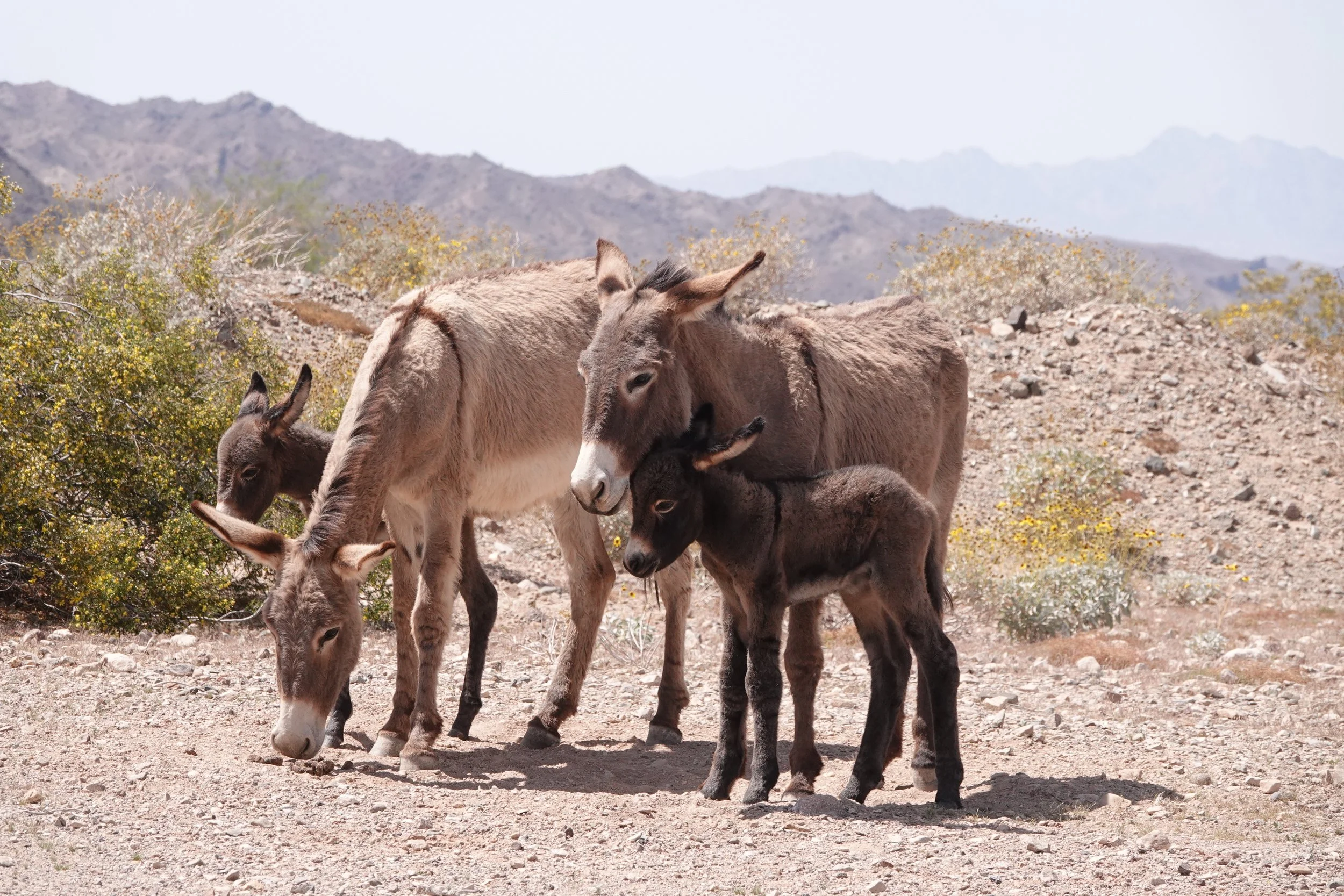
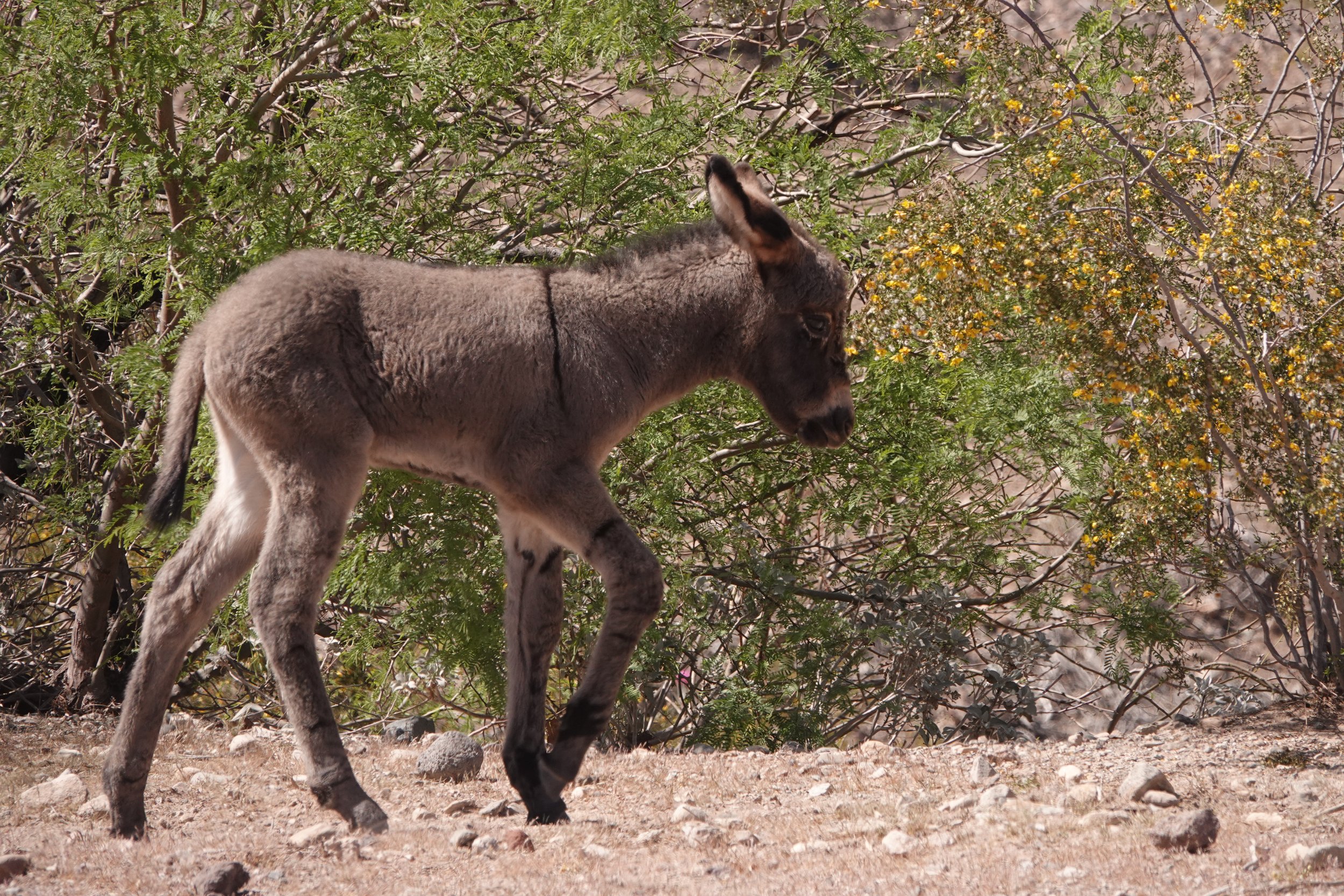
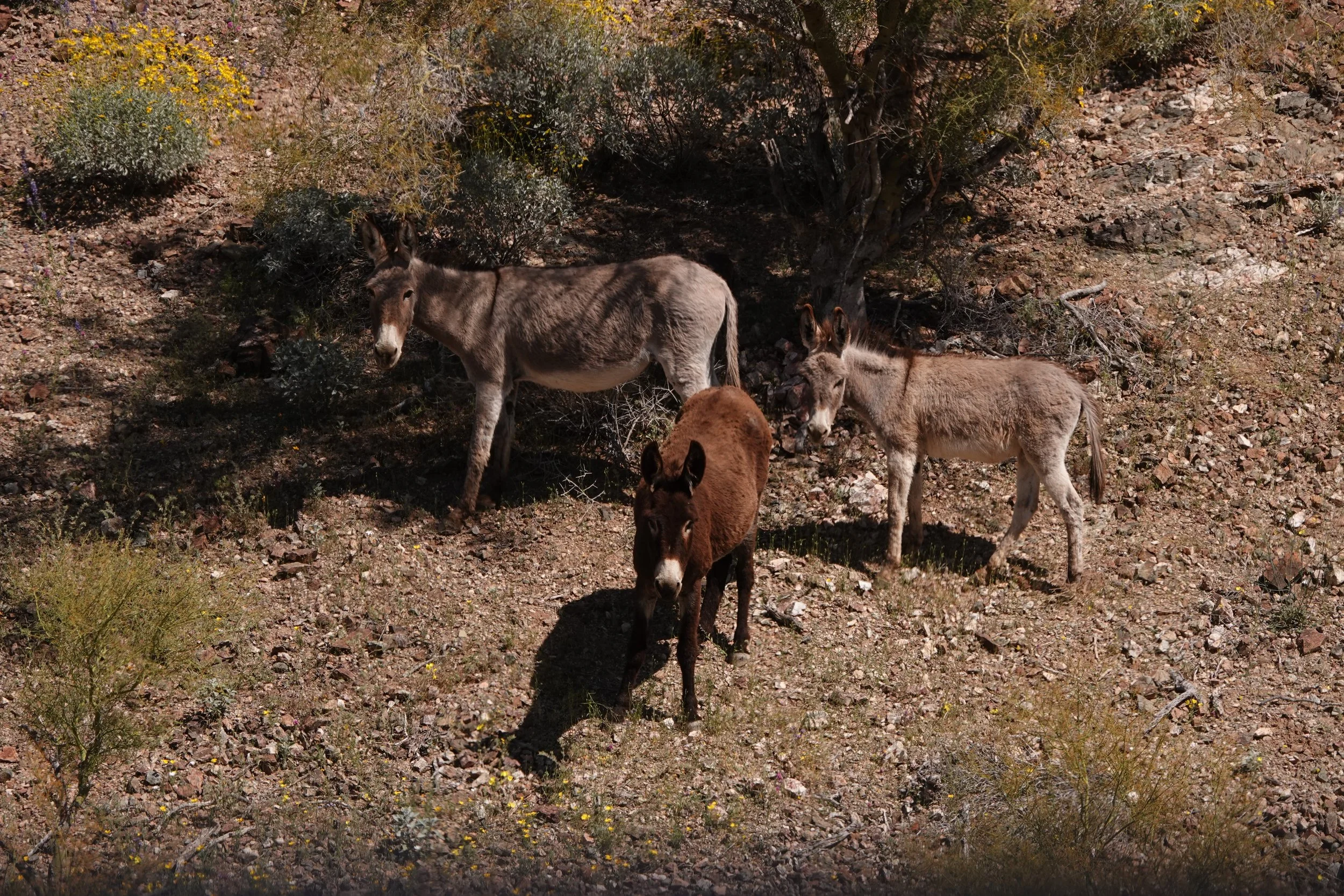
Wild burros, having evolved in some of the harshest environments on Earth, have hooves uniquely suited to desert life.
Burro hooves are typically:
Smaller and more upright
Extremely dense and durable
Highly resistant to cracking and chipping
These traits allow burros to navigate rocky desert terrain with remarkable efficiency, often covering long distances with minimal visible wear.
Diet Matters—A Lot
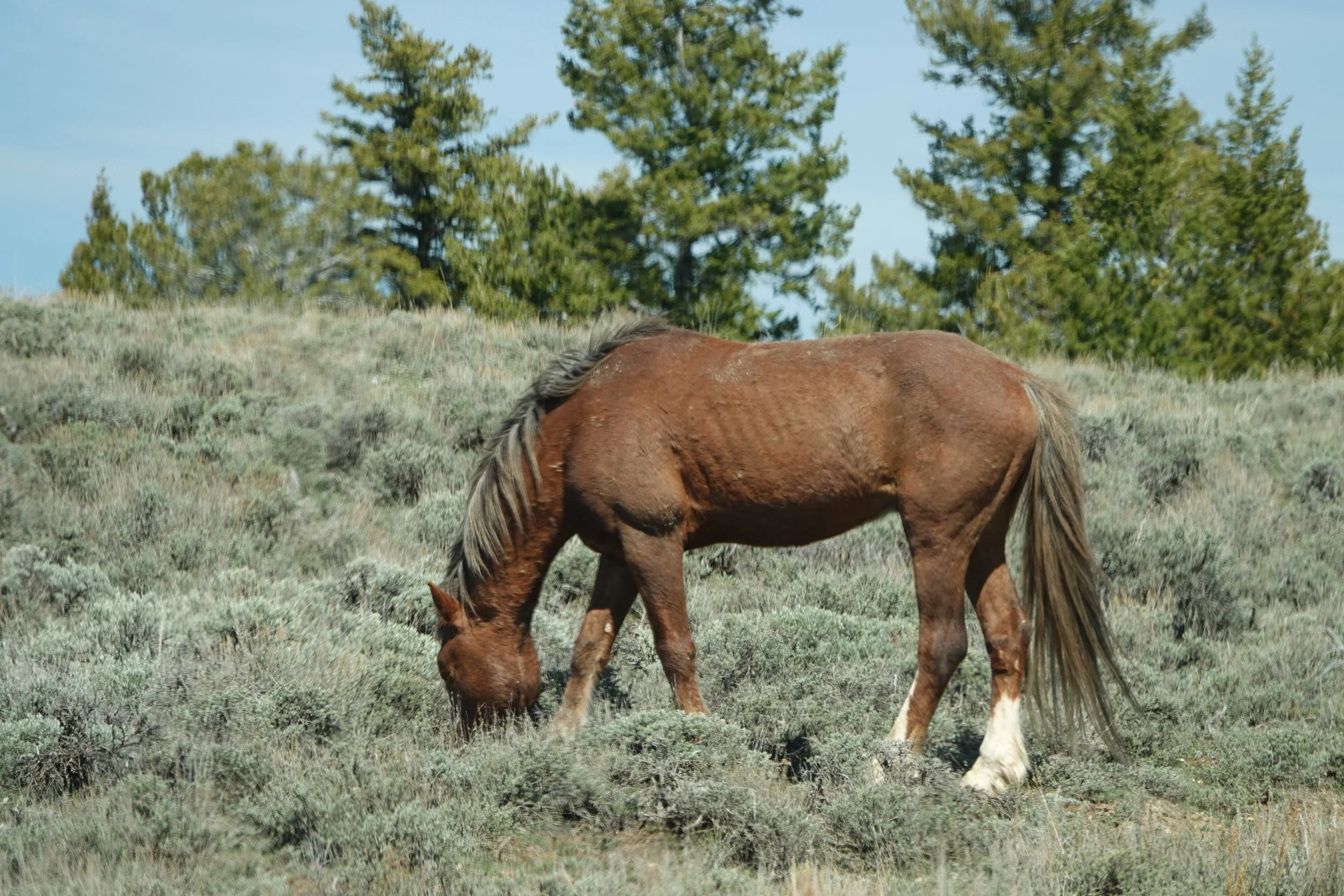
Hoof health doesn’t start at the hoof wall; it starts with nutrition.
Wild horses and burros consume native forage, not grain-based diets. This lower-sugar, high-fiber diet supports steady hoof growth and strong structure. Sudden dietary changes—especially those common after removal from the range—can dramatically affect hoof quality.
In many cases, hoof problems emerge after horses enter captivity, when movement is restricted, diets change, and stress levels rise.
Myths About Overgrown Hooves
One of the most persistent misconceptions is that wild horses routinely suffer from dangerously overgrown hooves.
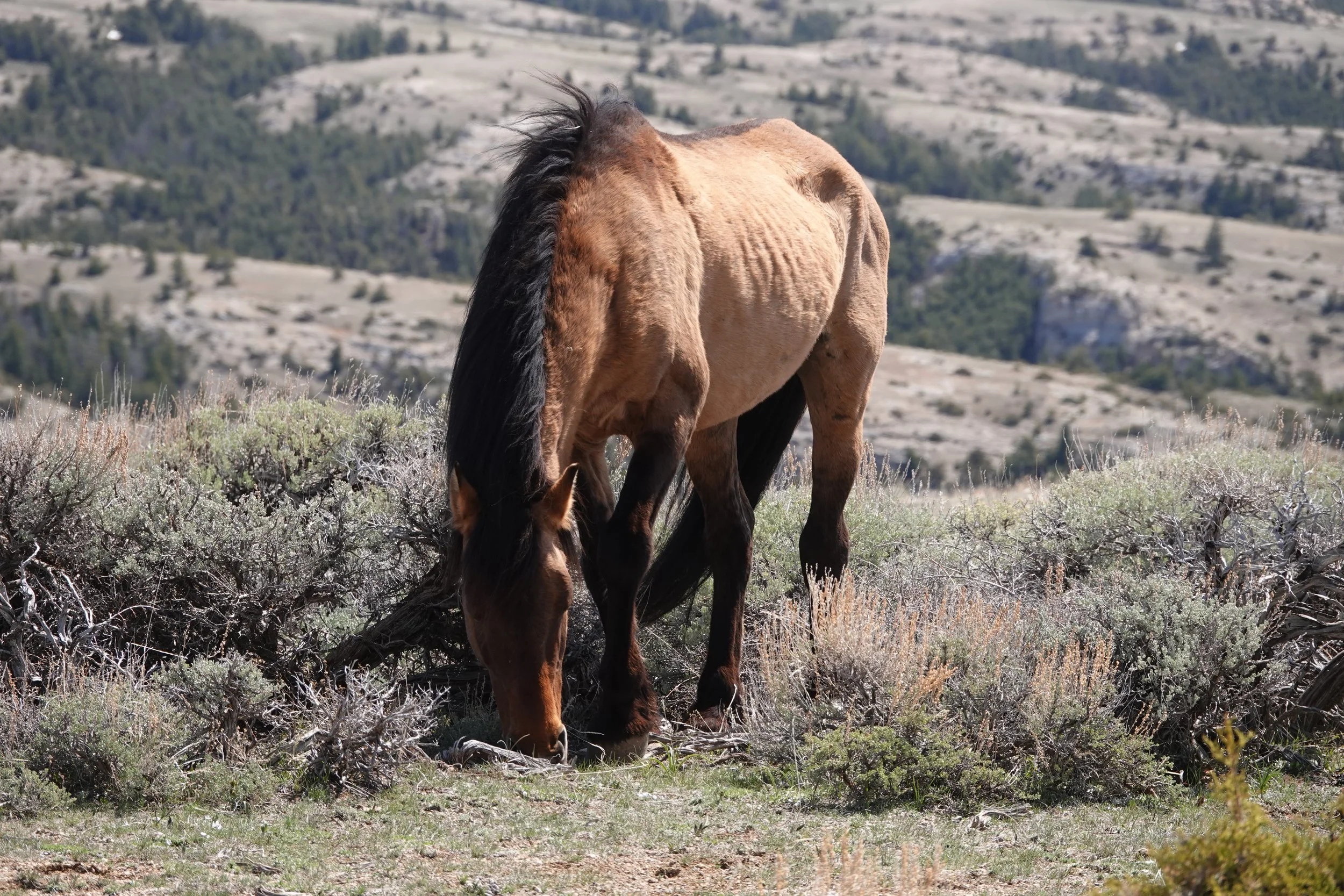
In reality, severely overgrown hooves are uncommon in healthy, free-roaming populations. Regular movement typically keeps growth and wear in balance. When hoof abnormalities do appear, they often point to larger issues—such as advanced age, injury, illness, or habitat stress.
Hooves can serve as early indicators of broader ecosystem health.

Hooves as Environmental Storytellers
Because wild hooves respond so directly to terrain, forage, and movement, they can tell us a great deal about the landscape itself.
Changes in hoof condition may reflect:
Drought or reduced forage availability
Habitat degradation
Barriers to movement
Overall range health
In this way, hoof health is not just an individual concern—it’s a window into the health of public lands.
Why Wild Hooves Aren’t Domestic Hooves
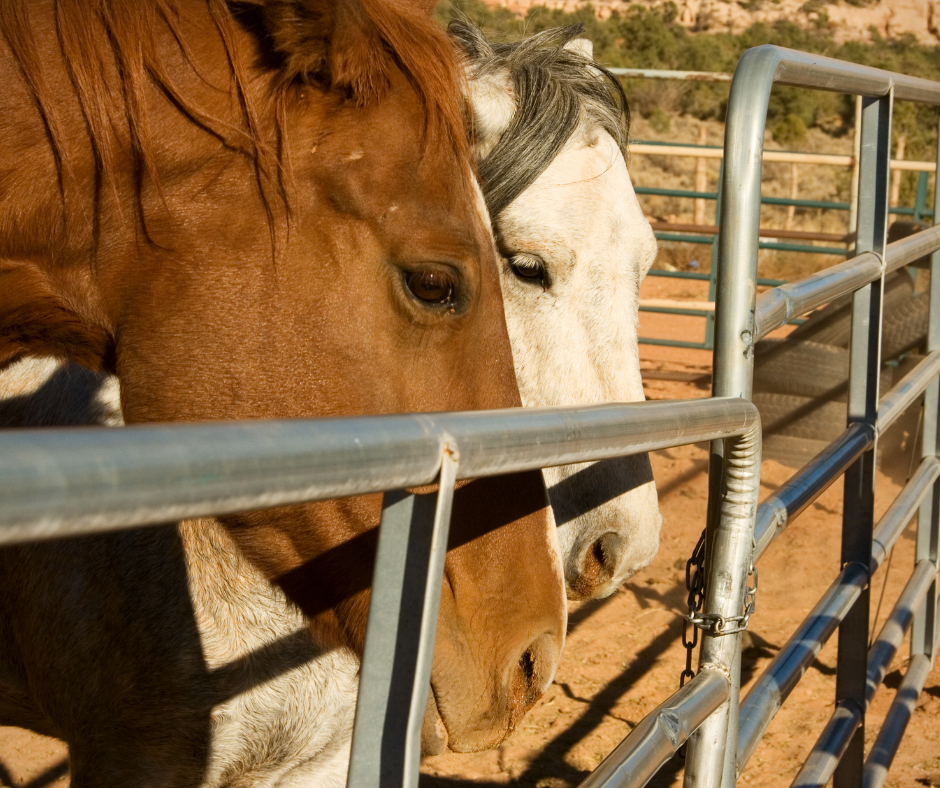
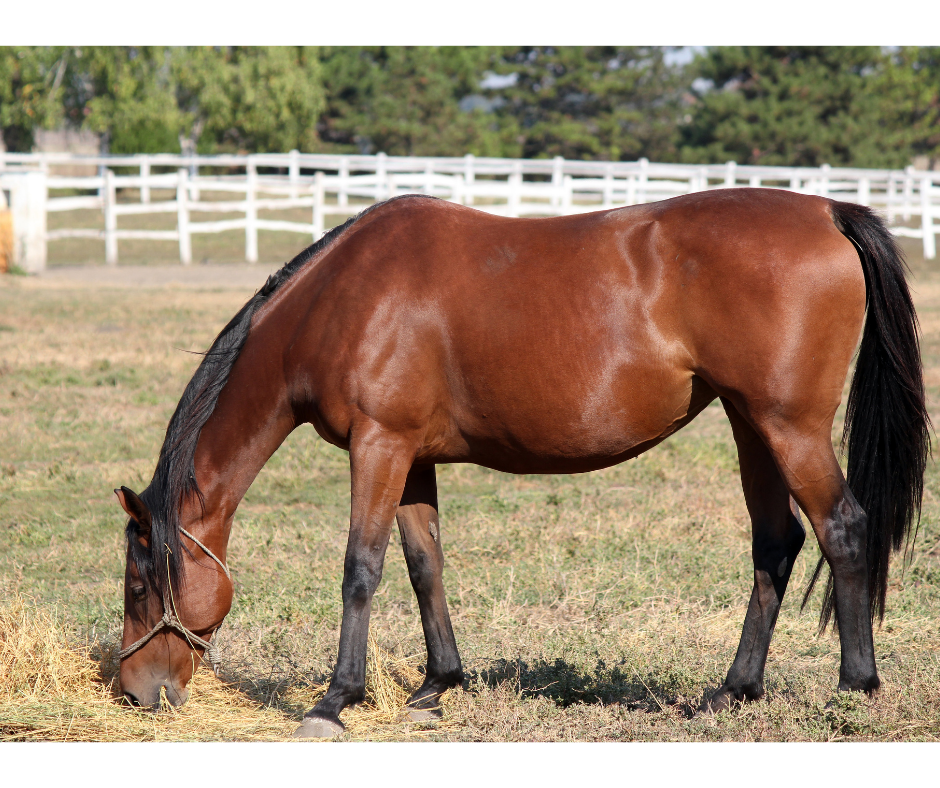
It’s important to remember that wild horses and burros are not domestic horses living without care. They are animals shaped by evolution to survive in specific environments.
Routine trimming, shoeing, or “preventive” hoof care—so common in domestic settings—is unnecessary for free-roaming wild equids. In fact, intervention would disrupt the natural balance that wild hooves depend on.
Freedom Is the Best Hoofcare
At its core, wild hoof health comes down to a simple truth:
movement, natural forage, and intact landscapes matter.
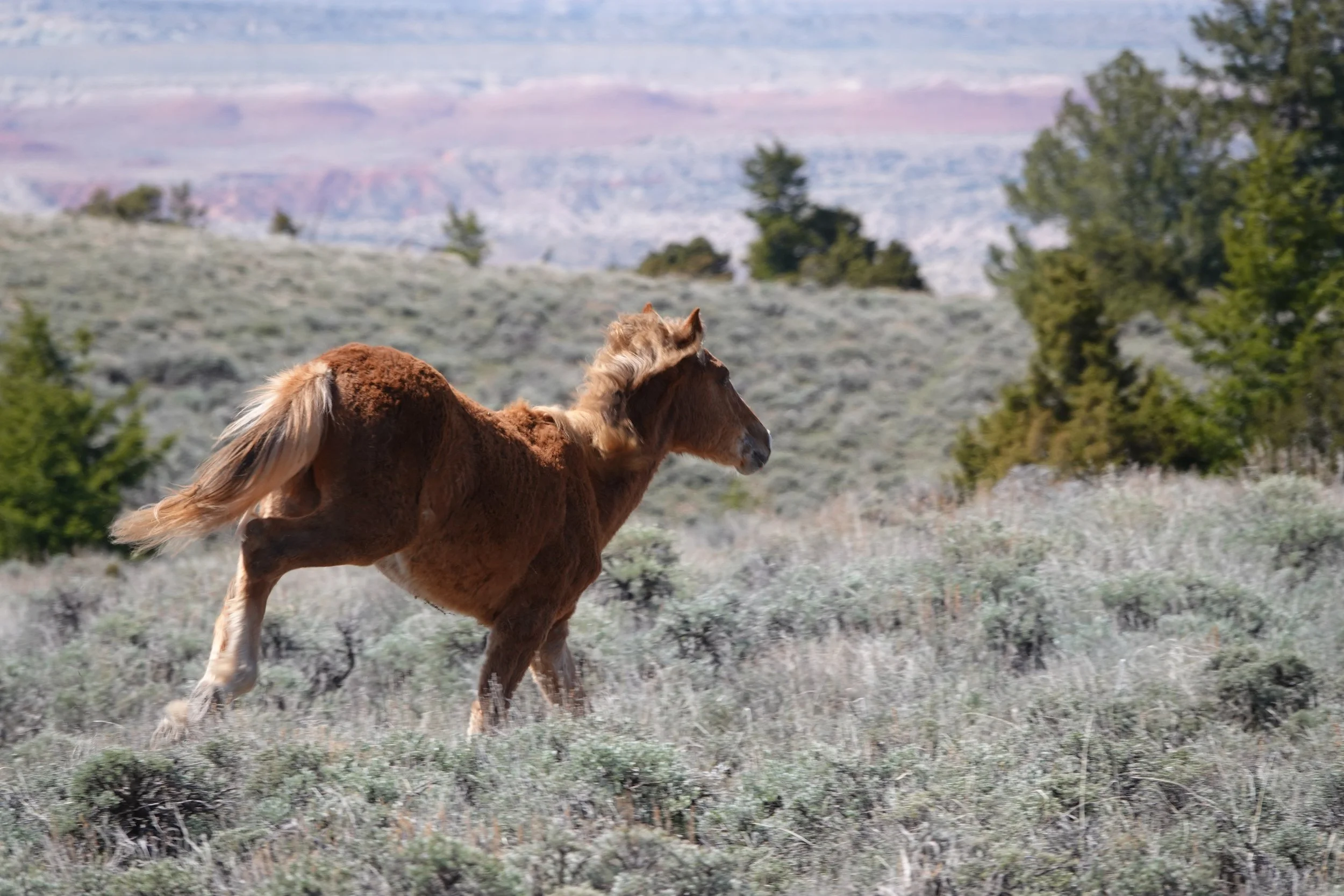
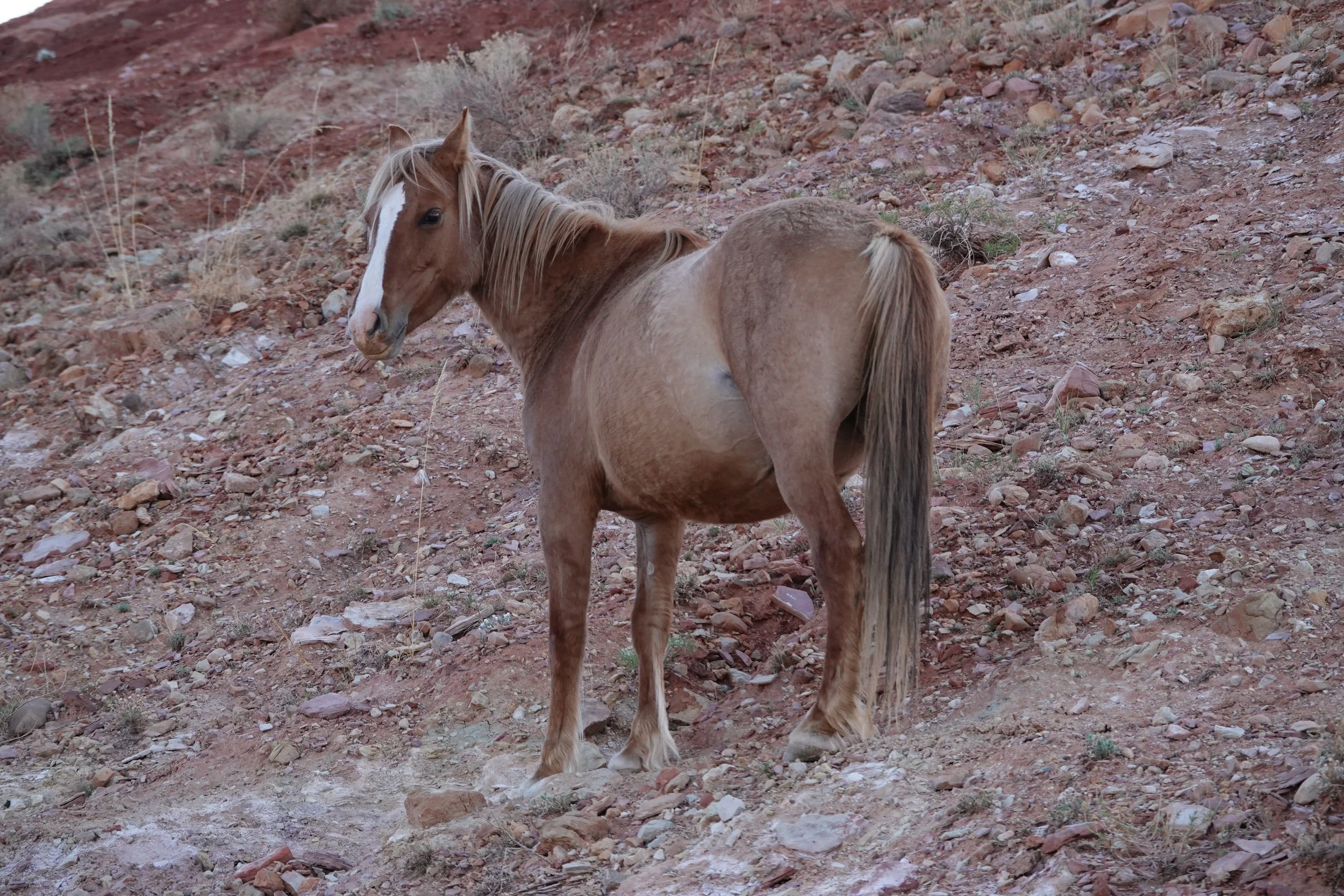
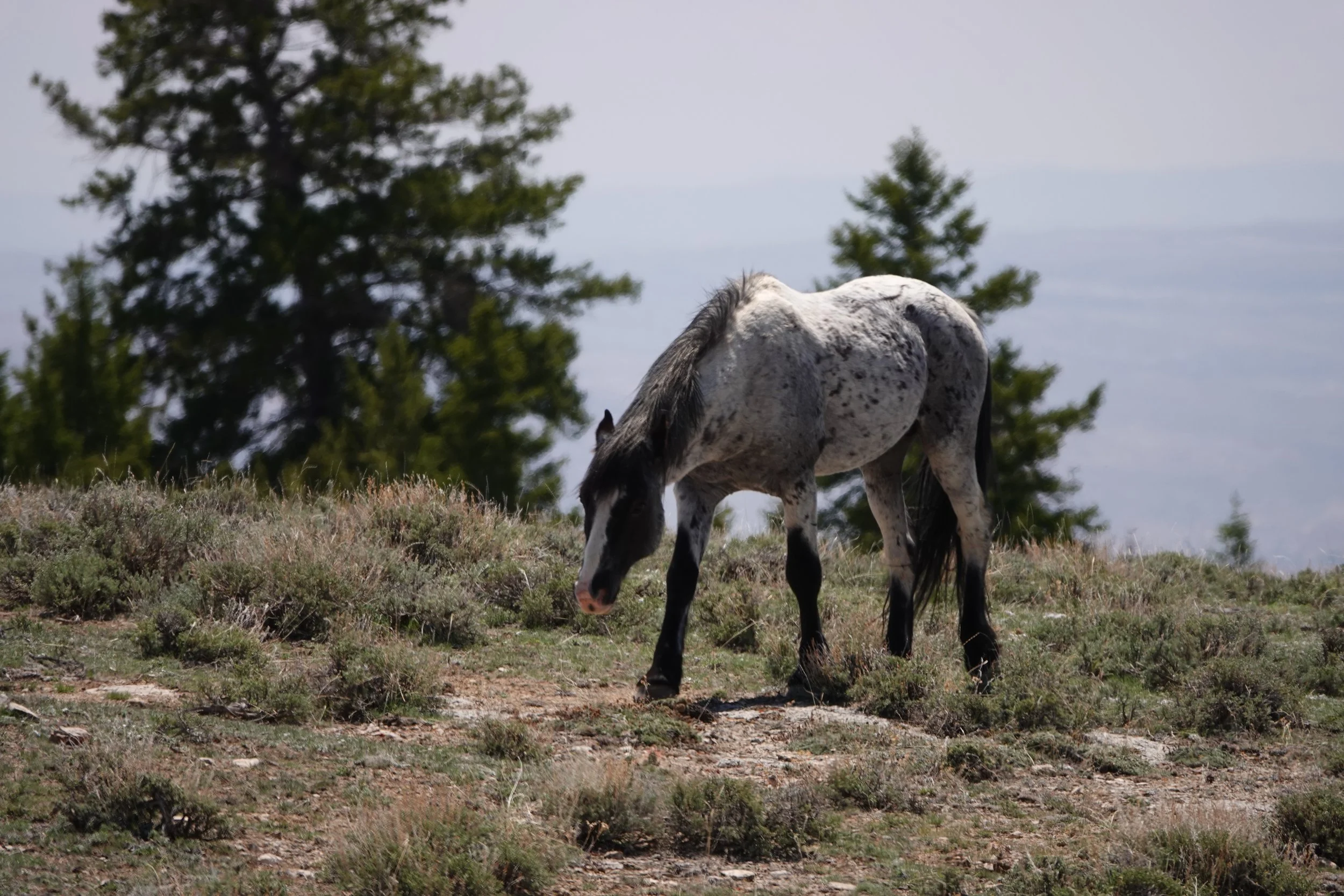
When wild horses and burros are allowed to live as they evolved to live—with room to roam and healthy habitat—their hooves take care of themselves.
As we observe International Hoofcare Month, it’s worth remembering that sometimes the most effective care isn’t intervention at all—but protection of the land and freedom that make natural health possible.
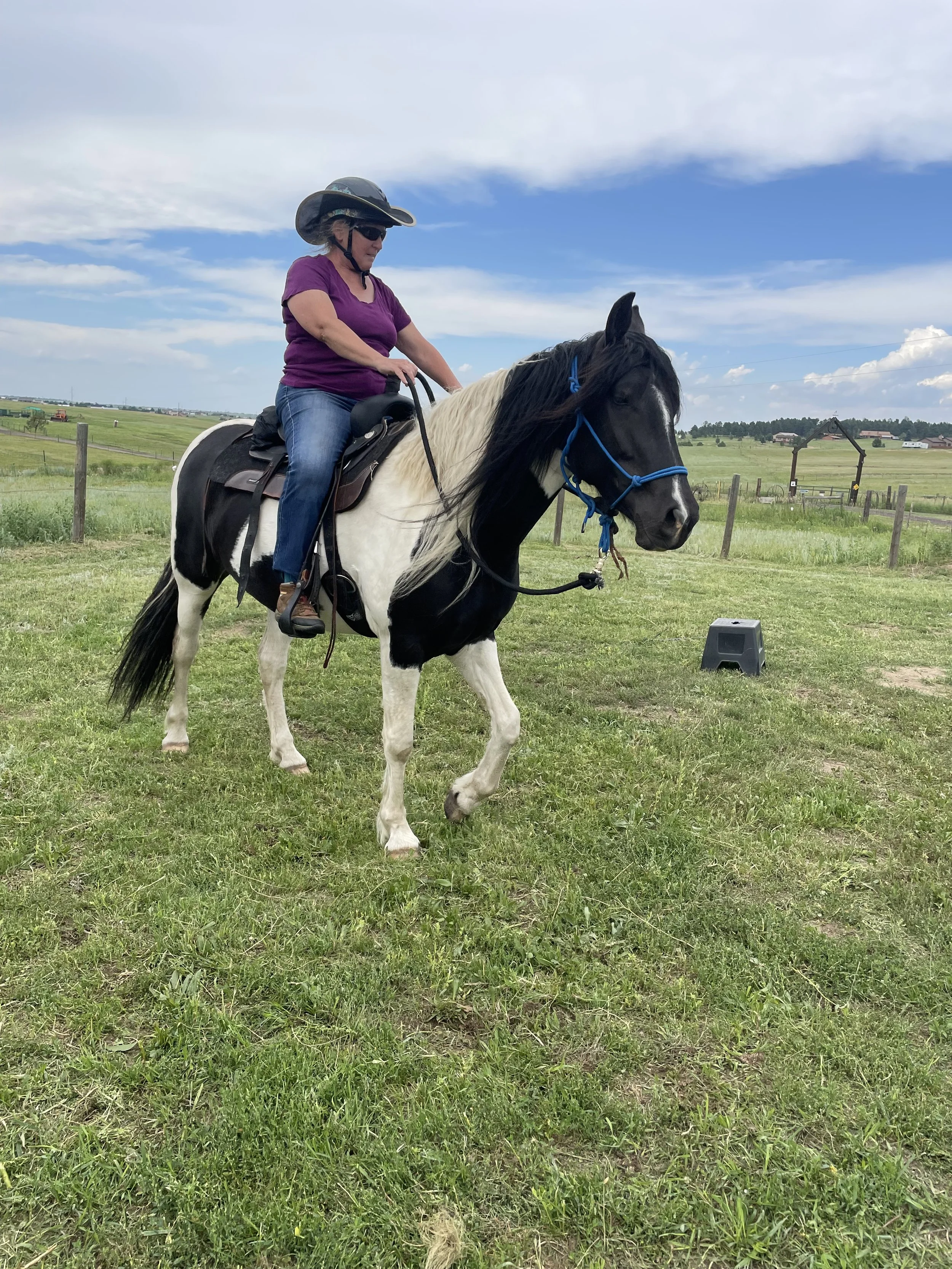
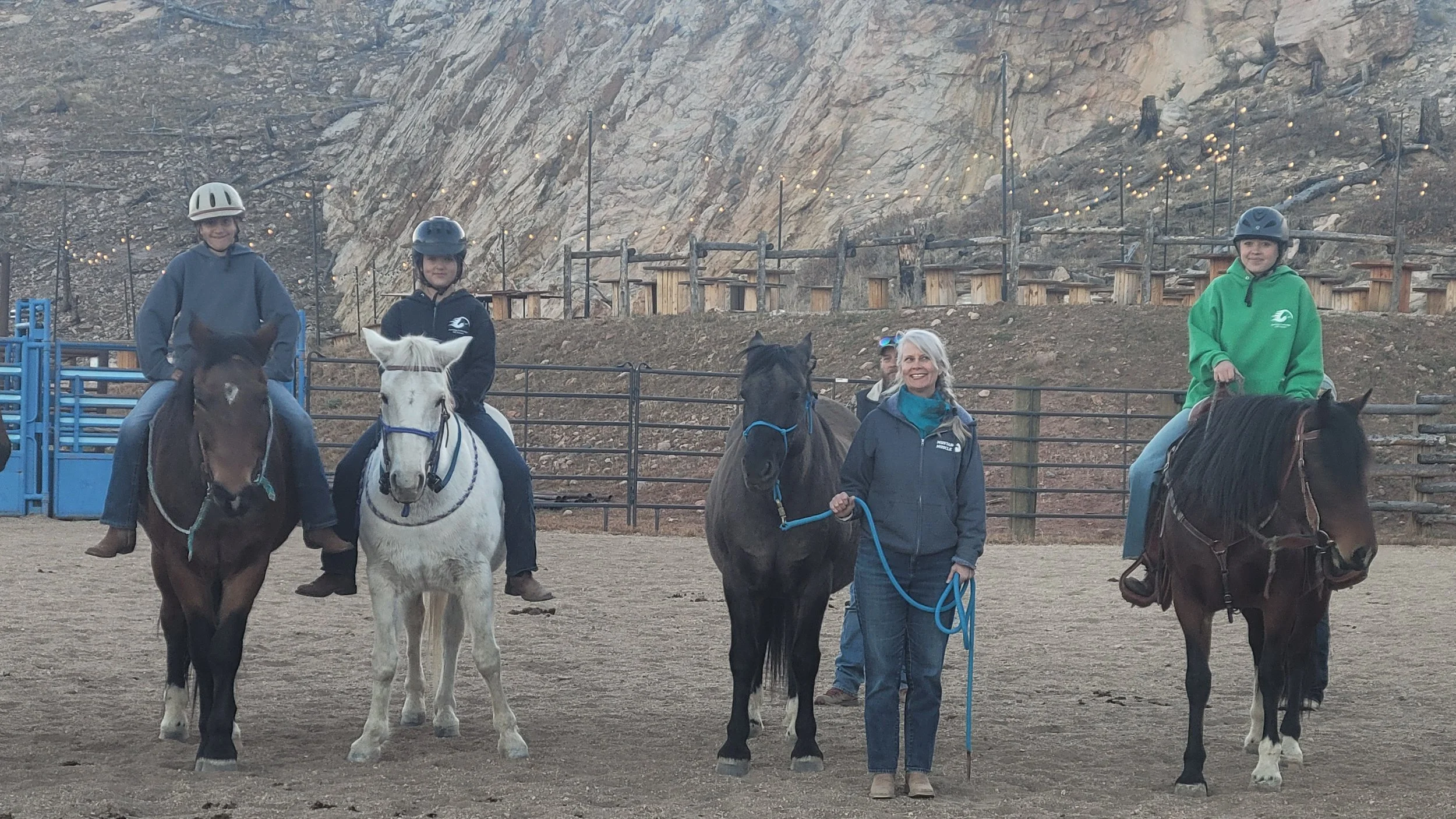
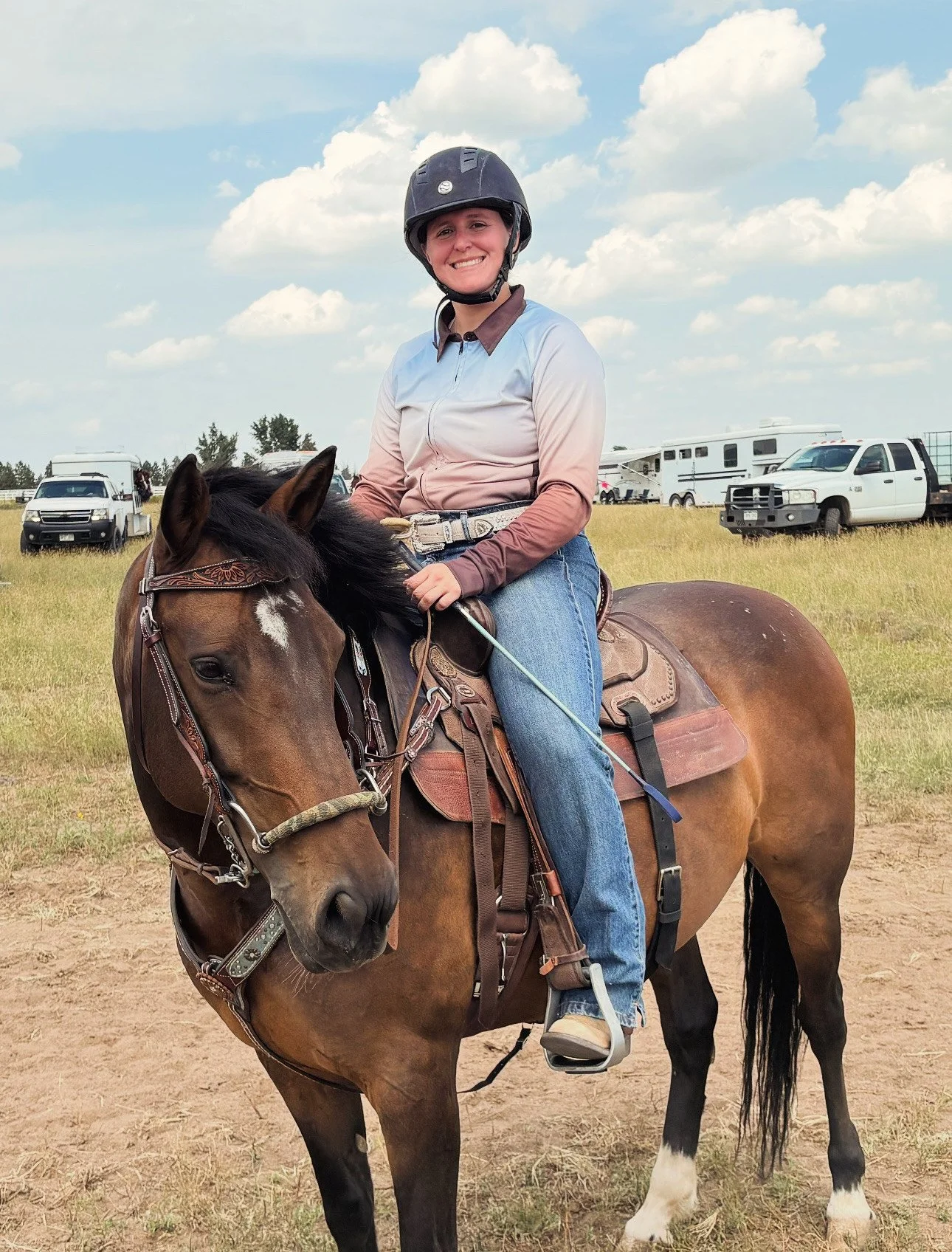
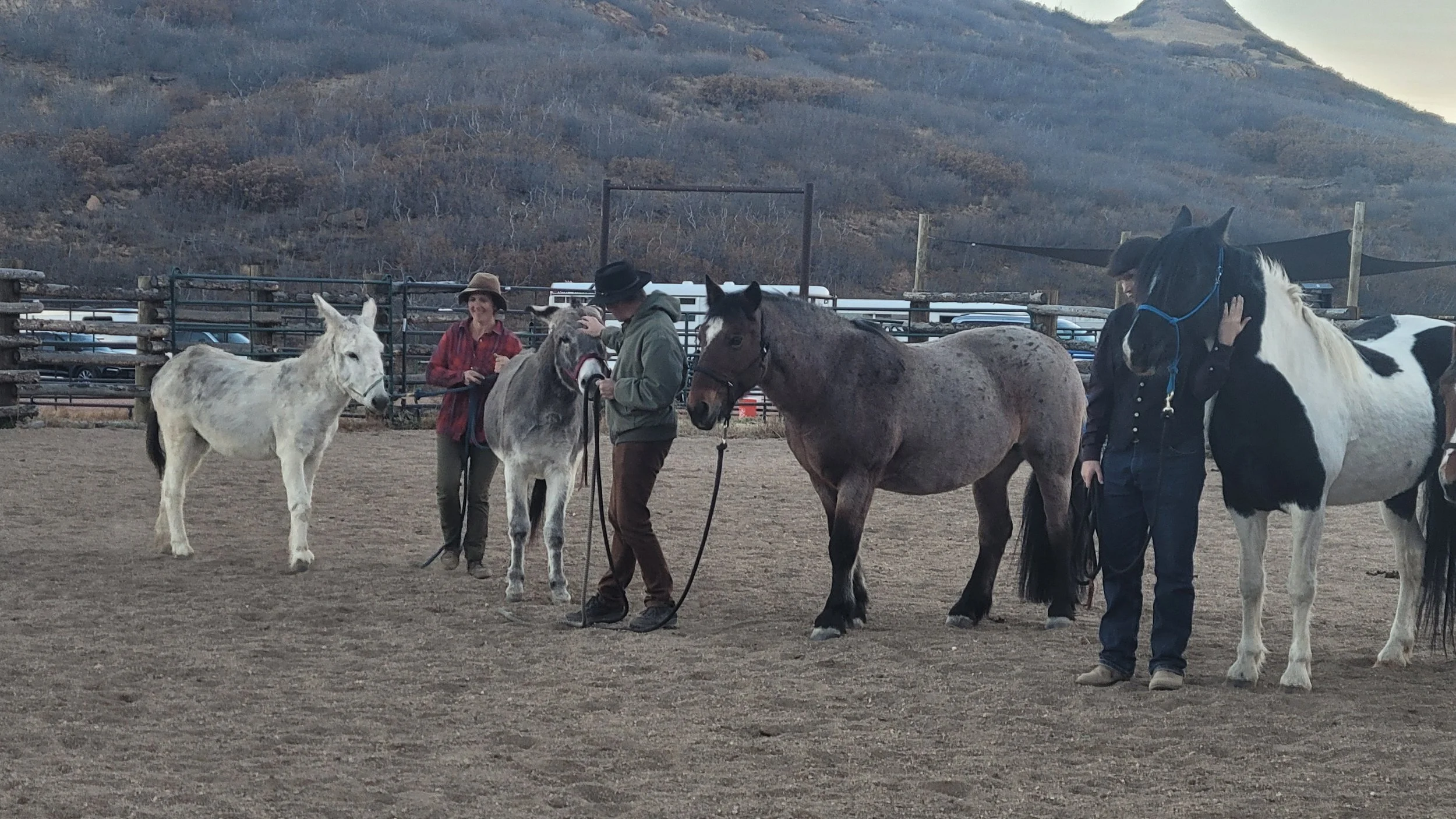
Wild Horses or Burros in Domestic Care:
Fewer Trims Than Expected
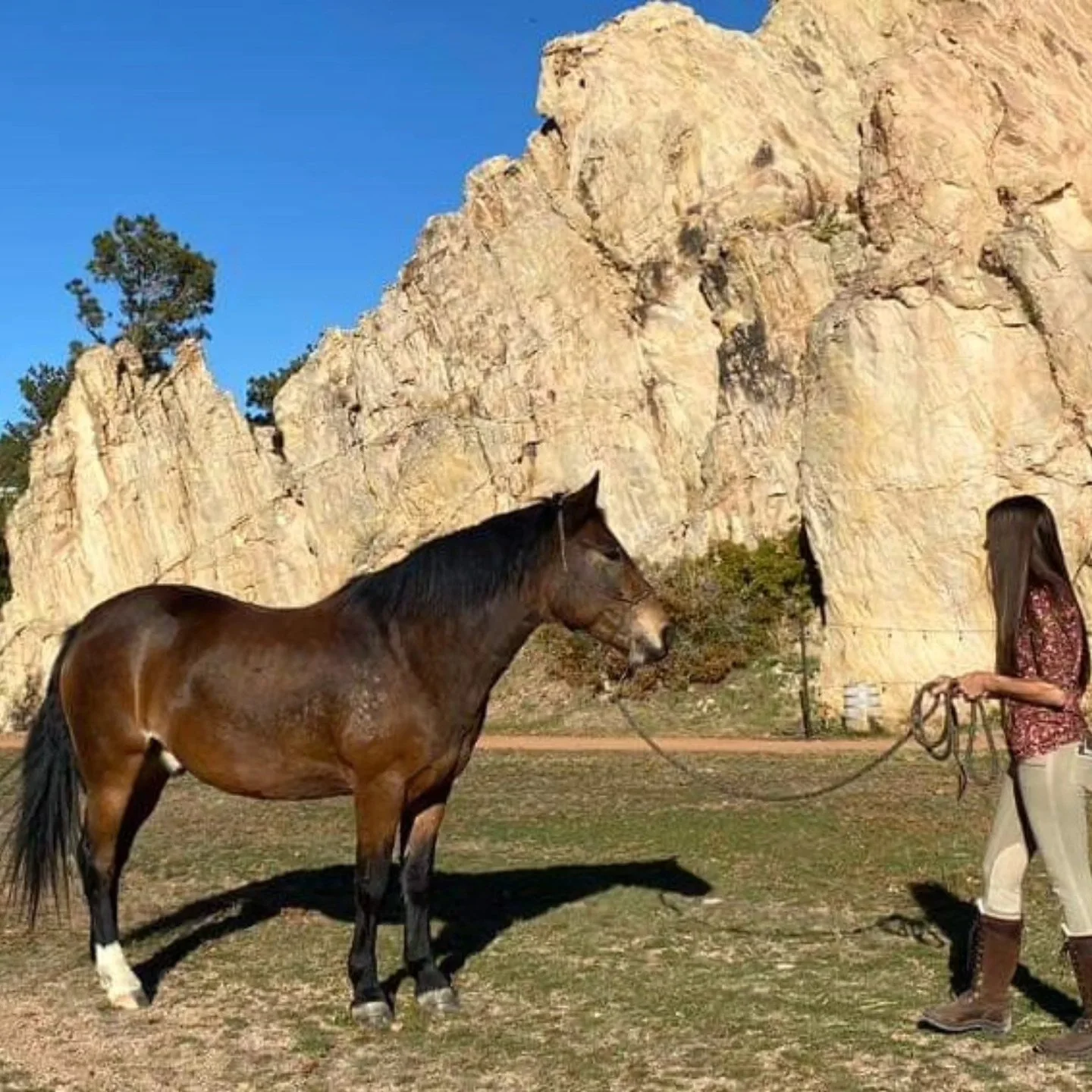
Many adopters discover that their formerly wild horses or burros require significantly fewer hoof trims than they anticipated—even long after they’ve transitioned into domestic life.
Because these animals developed hooves through years of natural movement over varied terrain, their hooves often remain:
Dense and durable
Slow-growing compared to many domestic horses
Less prone to chipping or imbalance
Even with reduced mileage, some formerly wild horses maintain healthy hooves on extended trim cycles, provided they have appropriate nutrition, movement, and footing.
Of course, individual needs vary. Age, workload, environment, and overall health all play a role. But for many adopters, fewer trims become one of the many pleasant surprises of living with a formerly wild horse or burro.
👉 Want more wild horse & burro facts?
We hope you enjoyed this look at wild hooves! Search our website to explore additional educational resources and learn more about how habitat, movement, and humane management all work together to keep wild horses and burros healthy.