BLM Expands Wild Horse Sales
Expanded Sales Raise Questions
About Oversight and Animal Welfare
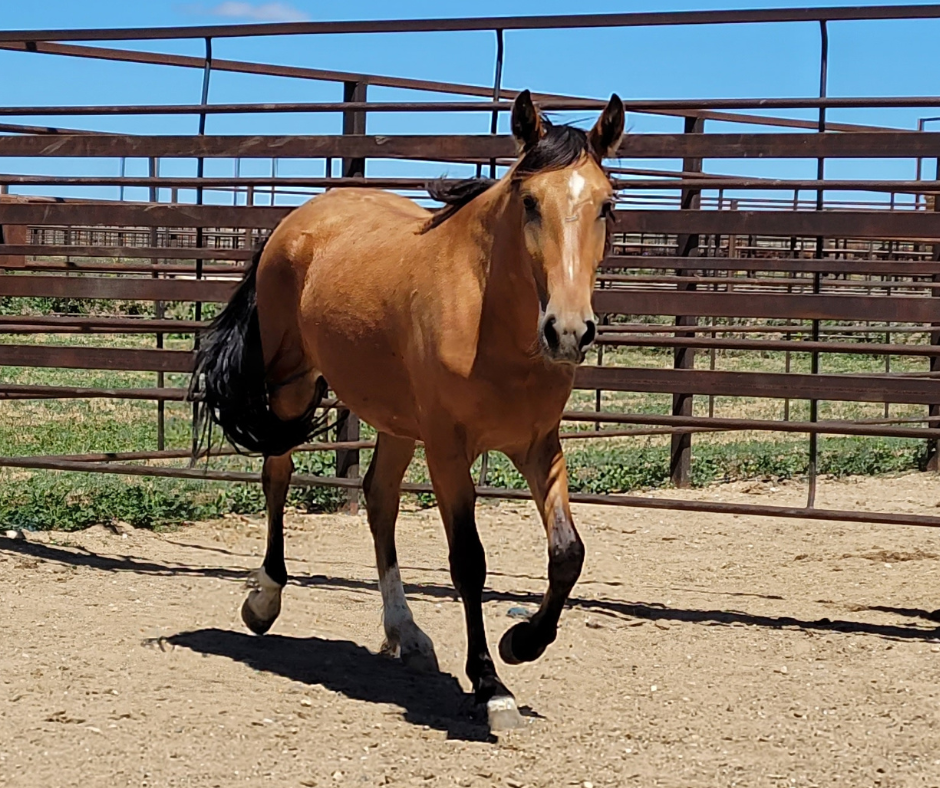
Today, the Bureau of Land Management announced an expanded use of wild horse and burro sales, allowing both individuals and organizations to purchase one or more animals, with immediate transfer of ownership.
While framed as an opportunity for qualified buyers, this shift raises serious concerns about animal welfare, oversight, and public accountability.
What’s Changing
Under BLM’s WHB Sales Program:
Ownership transfers immediately at the time of sale
Once titled, no inspections or follow-up welfare checks are required; ownership is complete and total
Buyers may apply to purchase more than four animals at a time, every 6 months
Sales are promoted alongside adoption, but hold no safeguards
In practical terms, this means animals sold by the federal government may be resold, transferred, or disposed of without restriction once title changes hands.
Why This Matters
Even under adoption programs — which require a one-year care period before title — some animals fall through the cracks. When title is transferred immediately, BLM relinquishes all leverage to ensure humane treatment.
The concern is not hypothetical. Historically, large-scale sales and weak enforcement mechanisms have been linked to animals disappearing from tracking systems altogether.
This announcement follows the court’s decision to halt BLM’s Adoption Incentive Program (AIP), which raised alarms about perverse incentives and the risk of wild horses entering slaughter pipelines. The expansion of sales appears to replace one problematic outlet with another — without addressing the underlying welfare risks.
A Public Trust Responsibility
Wild horses and burros are protected under federal law as living symbols of the historic and pioneer spirit of the West. Decisions about their disposition should meet the highest standards of transparency, care, and accountability.
Under current practices, buyers are vetted through an application process prior to adoption or sale. However, once an animal is sold and title transfers, there are no federal monitoring requirements, follow-up inspections, or enforceable welfare safeguards.
Given BLM’s expanded emphasis on sales, the public deserves clarity on whether this approach will change. In particular:
Will additional safeguards be put in place once title transfers?
Will bulk purchasers be subject to any ongoing monitoring or reporting requirements?
How does this expanded use of sales align with congressional intent and recent court rulings addressing wild horse welfare?
The Cloud Foundation will continue monitoring this policy shift and advocating for humane, accountable management that keeps wild horses safe — on and off the range.